Water Extraction in Rockland, MA
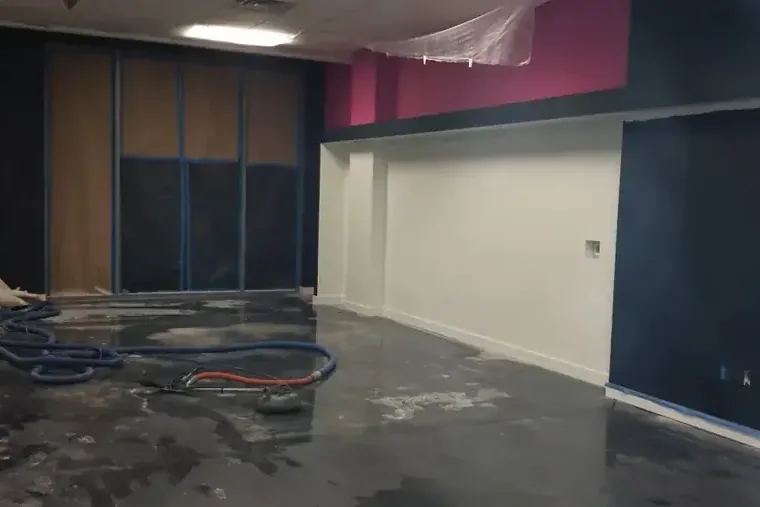
Pumps, truck mounted units and hand wands pull standing water off floors and out of carpet pad, so the water stops moving into framing and the drying crew can set equipment on a clear surface. Call now, any hour.
(888) 480-6221Call now for pumps and wands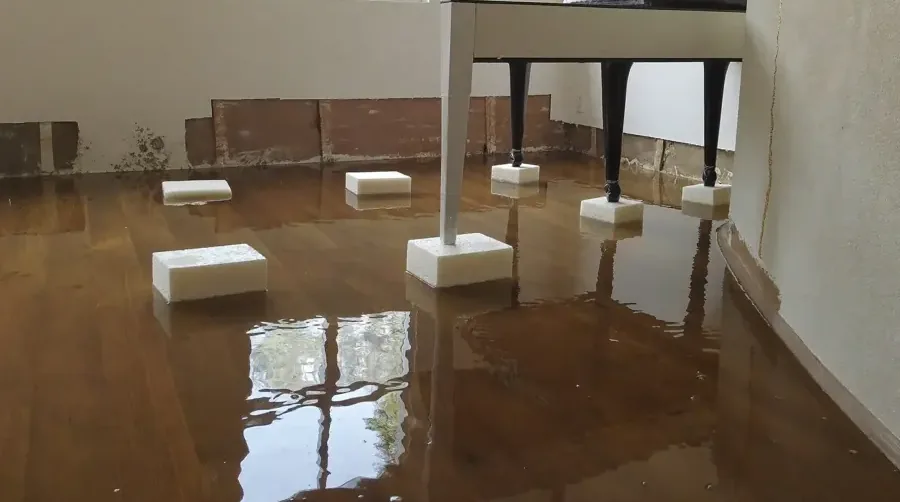
What to do while water is on the floor
Do now
- 1Stop the source. Close the main shutoff, or the valve at the fixture, so no more water reaches the floor.
- 2Cut power nearby. Switch off breakers for wet rooms and keep away from outlets, cords and appliances touching water.
- 3Lift small items. Move rugs, bags and small furniture onto dry ground so pad and finish are not stained further.
- 4Note the water. Photograph the floor and the source, and note what the water touched, before anything is moved.
Hold off
- Do not vacuum standing water
- Do not tread wet carpet in street shoes
- Do not wait for it to dry alone
How the restoration crew handles water extraction
Extraction is the first stage of the structural drying work that follows, and each stage is logged for the file.
Around-the-clock response
The response team rolls out day and night, storm nights and holidays included, and treats active water as urgent.
IICRC S500 drying standard
The drying team pulls equipment only when meter readings say dry, not when a surface looks dry.
Claim-ready drying records
Moisture maps, daily psychrometric readings and timestamped photos go into one log for the adjuster and the owner.
Older South Shore construction
Fieldstone foundations, plaster walls, cast iron drains and finished basements are everyday work, so the crew checks below grade and behind the walls.
What does water extraction cost in Rockland, MA?
Extraction on one room of clean water usually sits near $400 to $900, while full extraction with drying can reach $5,500, depending on area, depth and water category. The inspection sets the final price, and the cost calculator gives a rough starting number.
- One clean water room$400 to $900
- Single room
- Clean water source
- Short extraction run
- Several rooms or basement$900 to $2,400
- More pad and flooring wet
- Wall bases take water
- More equipment set
- Extraction plus drying$1,300 to $5,500
- Full dry down
- Moisture logged daily
- Equipment checked
Price moves with the water category, the wet square footage, the material class and how quickly drying began. The water damage cost calculator gives a planning range.
The water extraction process, step by step
- 1
Trace the water
The team follows the water, reads floors and wall bases with meters, and matches pumps or wands to depth.
- 2
Pull the bulk
Submersible pumps clear the depth, then truck mounted units and wands lift the rest from carpet and hard floors.
- 3
Cut out the ruined
Soaked pad and loose base trim come out where they cannot dry in place, opening the cavity to air.
- 4
Hand off to drying
A last pass confirms the standing water is gone, then air movers and dehumidifiers go down and readings begin.
Water extraction in Rockland usually follows a failed supply pipe, appliance hose or roof leak that has put water on a floor. Town water arrives from the Abington & Rockland Joint Water Works, and the shutoff inside the house is the fastest way to stop a supply leak.
What comes out first
The extraction crew removes standing water before touching anything else, because contact time pushes moisture deeper into subfloor and wall bases. Carpet and pad are lifted and weighed against what can be saved, while hardwood and tile are worked with flat tools.
Equipment that does the lifting
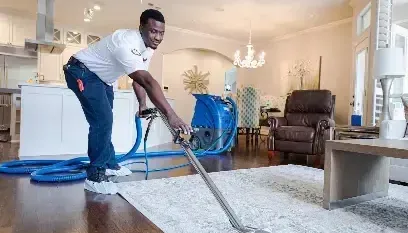
- Truck mounted extractors that move large volumes from carpet and pad
- Submersible pumps for depth on basement or ground level floors
- Hand wands and floor tools for hardwood, tile and tight corners
Once the water is out, the structural drying stage takes over with air movers and dehumidifiers.
When the source is a pipe
A split pipe or failed hose often sends water into the ceiling below as well, so extraction is paired with a look at the room underneath. Pipe sources have their own burst pipe cleanup page, and the town hub lists every service.
Where water extraction is handled around Rockland
Water damage restoration covers Rockland, a Plymouth County town of 17,803 people at the 2020 census, from Union Street and Rockland Center to Beech Hill and the neighborhoods near Accord Pond and Studleys Pond. Homes, apartments and converted factory buildings all get the same S500 drying standard.
Browse the full coverage mapRelated water damage services in Rockland
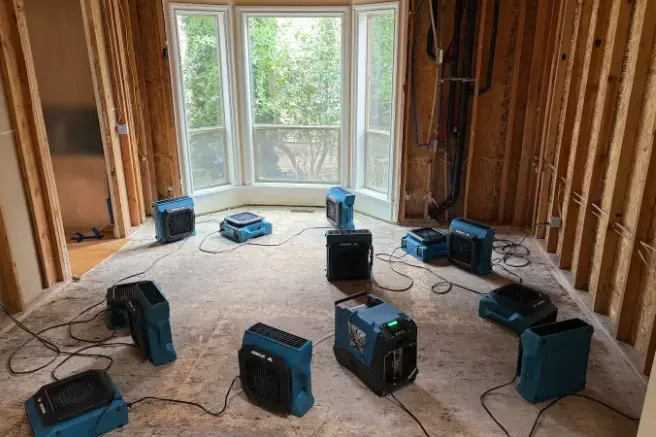 Structural Drying in RocklandAir movers and dehumidifiers dry framing, subfloor and walls to a documented standard, including former factory buildings.See the service
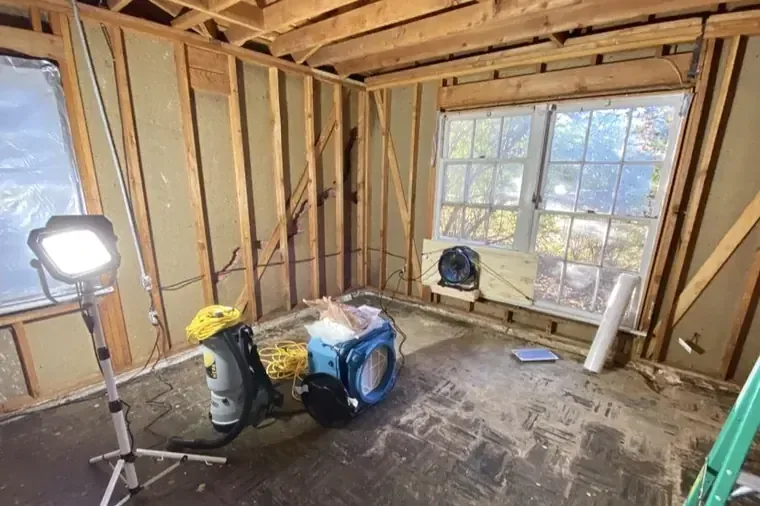 Basement Water Damage in RocklandLower level water is pumped out, then walls, floors and stored belongings are dried and checked for hidden moisture.See the service
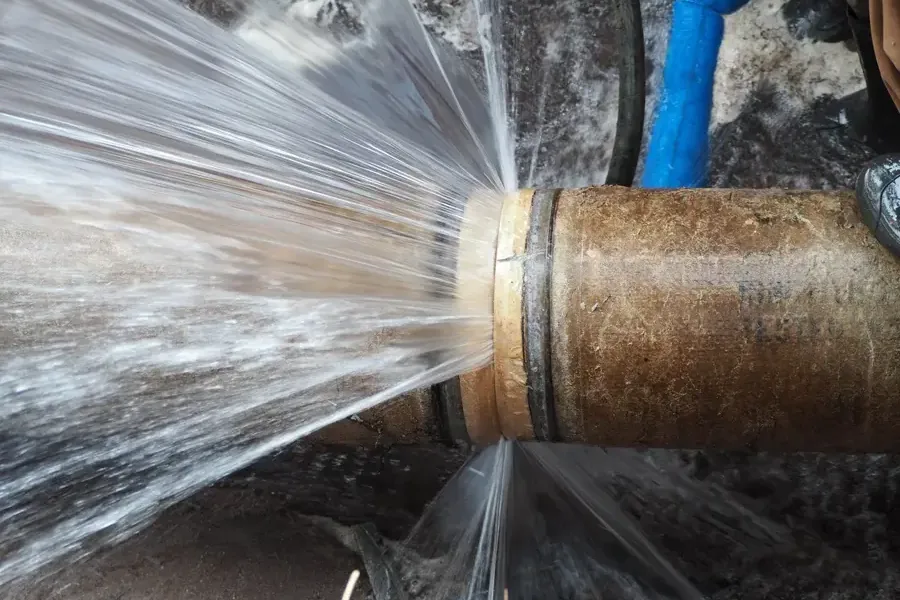 Burst Pipe Cleanup in RocklandA burst supply pipe can release a lot of water fast, so the drying team extracts it and dries every wet surface.See the service
 Flood Water Cleanup in RocklandRain or surface water that enters a home is treated as contaminated, so the crew removes it and cleans what it touched.See the service
Water Extraction in BraintreeTruck-mounted and portable extraction pulls standing water before it wicks into pad, subfloor and walls.See the service
Flood Water Cleanup in RocklandRain or surface water that enters a home is treated as contaminated, so the crew removes it and cleans what it touched.See the service
Water Extraction in BraintreeTruck-mounted and portable extraction pulls standing water before it wicks into pad, subfloor and walls.See the service
 Water damage restoration in RocklandEach service below covers a different way water enters a building, from a split pipe to a backed up drain.Open the town page
What does water extraction include?
Pumps and wands remove standing water, wet carpet and pad are lifted where needed, and the floor is left ready for drying equipment.
Can carpet be saved after extraction?
Clean water caught early often leaves carpet salvageable, but pad usually comes out. Contaminated water means the carpet is removed too.
How is extraction different from drying?
Extraction removes liquid water, while drying removes the moisture held in wood, drywall and concrete. Both are needed after a leak.
Does extraction work on hardwood floors?
Hardwood is worked with flat tools and monitored, since boards can cup. Early removal and steady drying give floors the best chance.
Is a pump needed for shallow water?
Shallow water on a hard floor often needs only wands, while a deeper basement water damage job calls for a submersible pump first.
What should be done before the crew starts?
Shut off the water, switch off power to wet rooms and move small items. Photographs of the damage help the claim file.
Standing water on the floor? Call now
Pumps, wands and drying equipment are ready for a floor holding water, and an early start keeps more of the home dry.
(888) 480-6221Call for extraction now