Water Damage Restoration Stoughton, MA
Heavy rain, a failed pipe or a backed-up drain can turn a Stoughton home upside down fast. The restoration team extracts water, dries to the IICRC S500 standard and records moisture readings from the first visit to the final reading.
(888) 480-6221Call about the wet floors On-site extraction
Quick steps while the water is still moving
Water reaches homes from pipes, storms and drains alike. These steps protect the house and the records until extraction can begin.
Do now
- 1Stop the source. Close the fixture valve or the main shutoff inside the house. For a main break outside, the Stoughton Water Department services shutoffs and leaks.
- 2Kill the power. Switch off breakers serving wet rooms before stepping into standing water. If the panel floor is wet, stay back and call an electrician.
- 3Photograph everything. Take wide and close photos of the water, the damaged items and any appliance label before anything is moved. Dated images support the claim.
- 4Lift what is safe. Raise small furniture, rugs and boxes onto dry surfaces. Leave heavy pieces for the crew, and keep children and pets out of the wet rooms.
- 5Call for help. Phone the restoration team early so extraction and drying can start before the damp spreads into walls and flooring.
Hold off
- Do not run a household vacuum on wet carpet
- Stay out from under a sagging or bulging ceiling
- Do not flush or run drains during a backup
- Do not wait to call because damp spreads fast
Water damage services for local homes and businesses
Pick the problem that matches, or begin with water extraction when the source is still unclear. Each card opens a dedicated page.
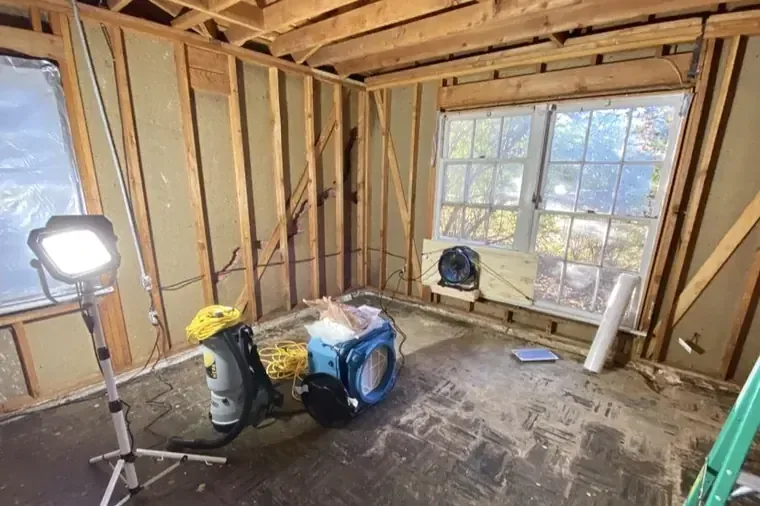 Basement Water DamageWater in a lower level is pumped out, then floors, walls and framing are dried and checked against readings.See the service
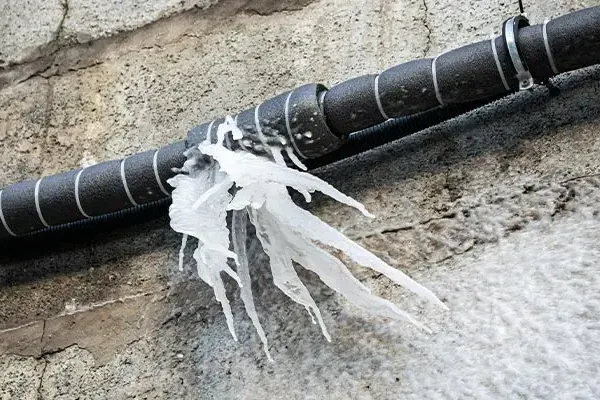 Frozen Pipe CleanupA split pipe after a hard freeze means wet walls and floors, so the crew traces the spread and dries it out.See the service
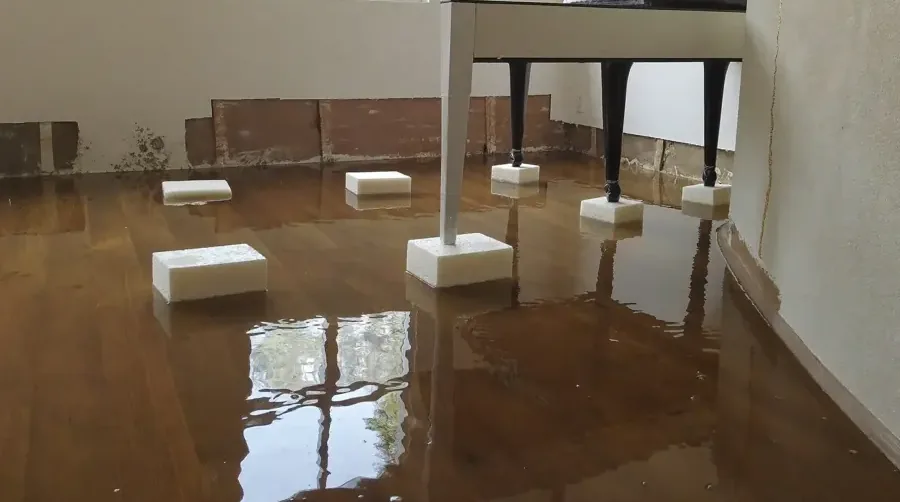 Water ExtractionPumps and wands pull standing water after downpours, which weather records say are arriving more often around town.See the service
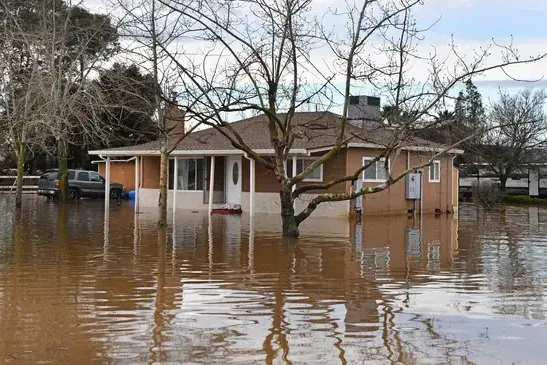
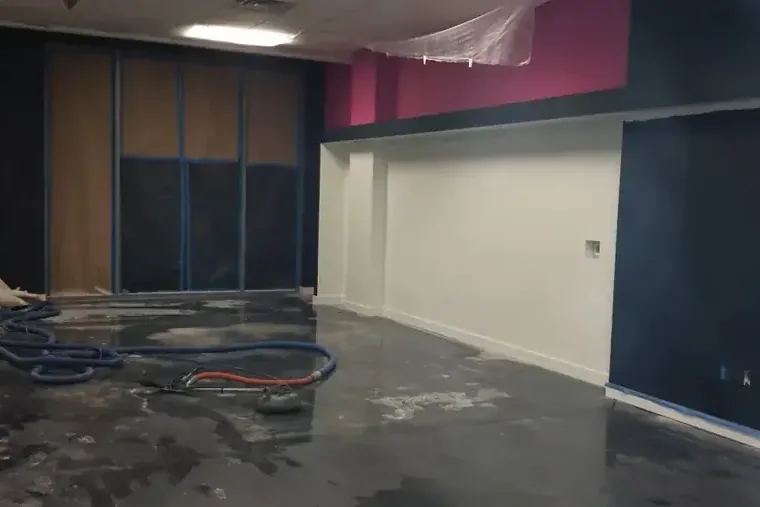 Flood Water CleanupStorm runoff that reaches living space is removed, the area is cleaned and sanitized, and wet materials are sorted.See the service
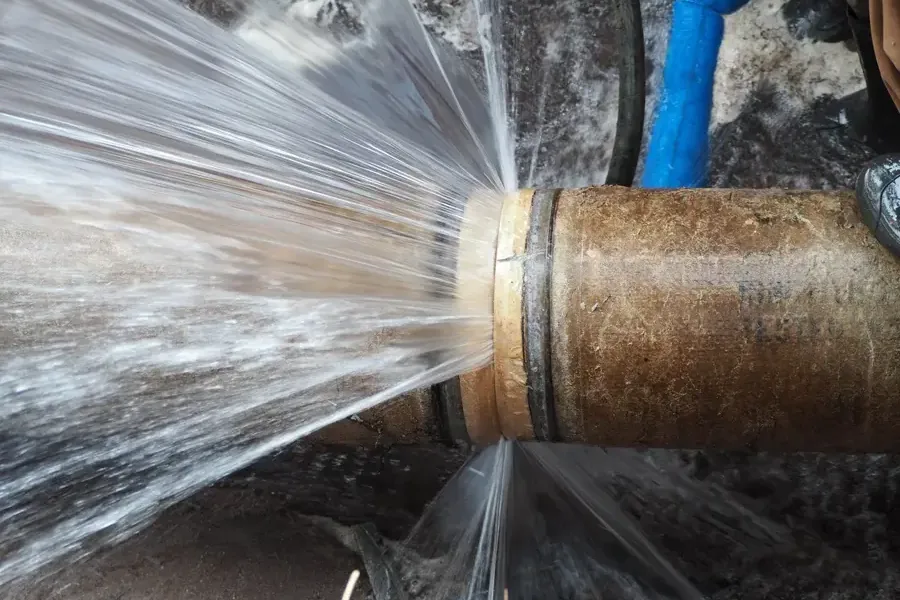 Burst Pipe CleanupA burst pipe floods fast; the crew finds the wet areas, extracts and dries before swelling and staining set in.See the service
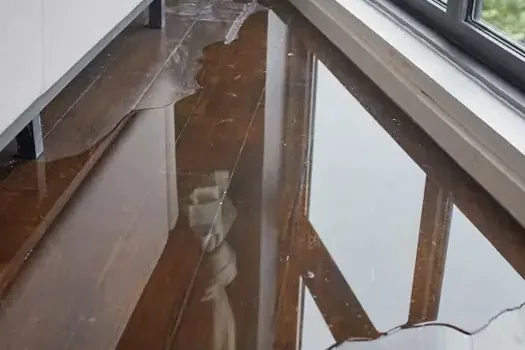 Storm Water DamageWind-driven rain, snow melt and storm runoff are handled with extraction, drying and a check of damaged materials.See the service
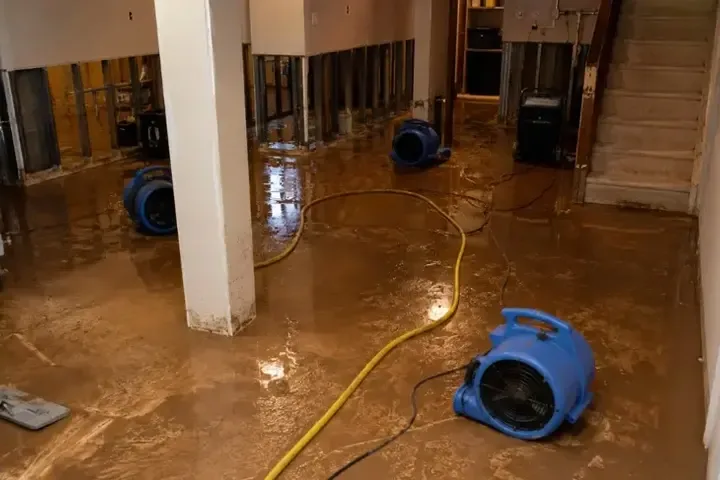 Sump Pump Failure CleanupWhen a sump pump stops during a heavy rain, the crew removes the water and dries what it soaked.See the service
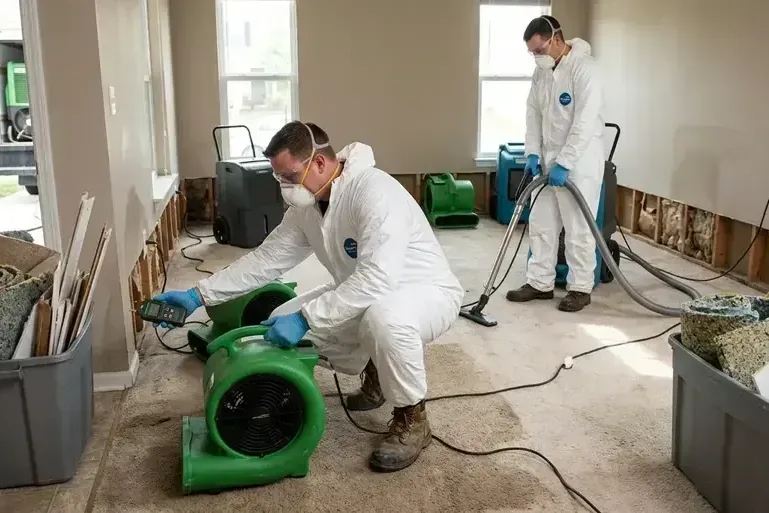 Sewage Backup CleanupSewage in a floor drain or fixture calls for protective gear, containment, removal of soaked materials and sanitizing.See the service
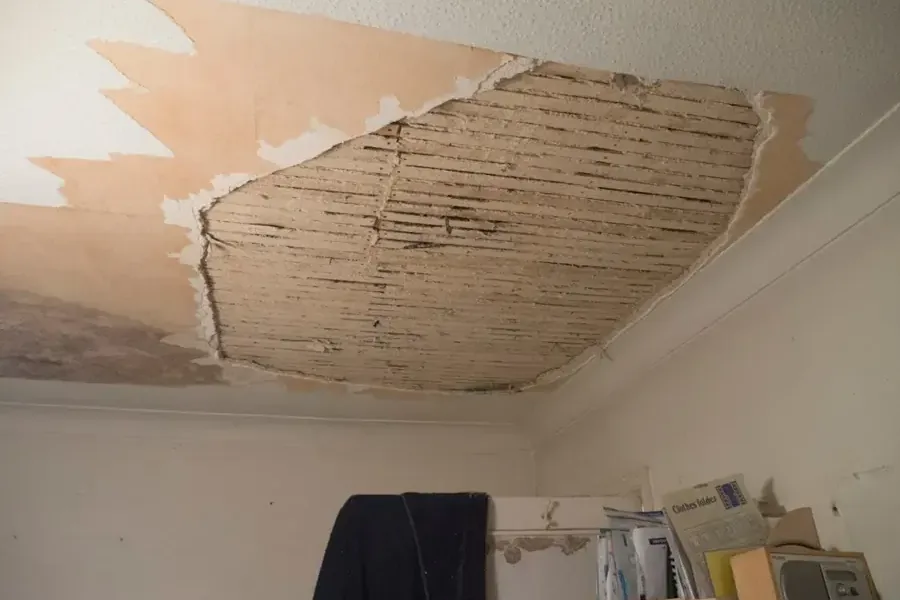 Roof Leak Water DamageSnow load and wind can open a path for water; the crew dries the ceiling, insulation and framing below.See the service
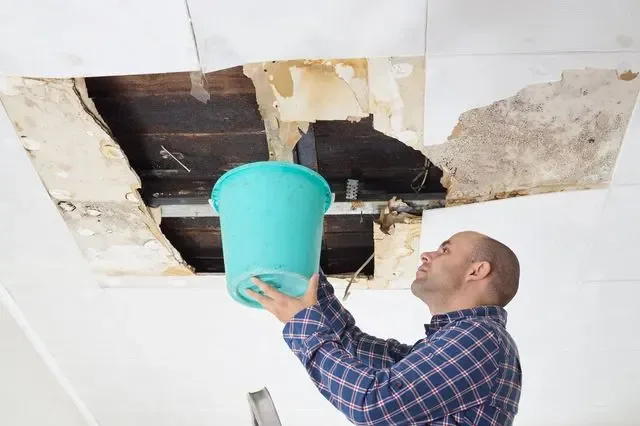 Ceiling Leak Water DamageA stained or sagging ceiling hides wet insulation above it, so the drying team opens it up and dries the cavity.See the service
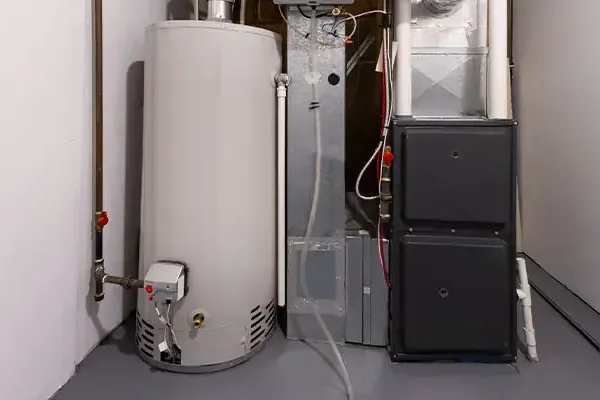 Water Heater Leak CleanupA leaking tank spreads water across a utility area and into nearby rooms, and the crew extracts and dries it all.See the service
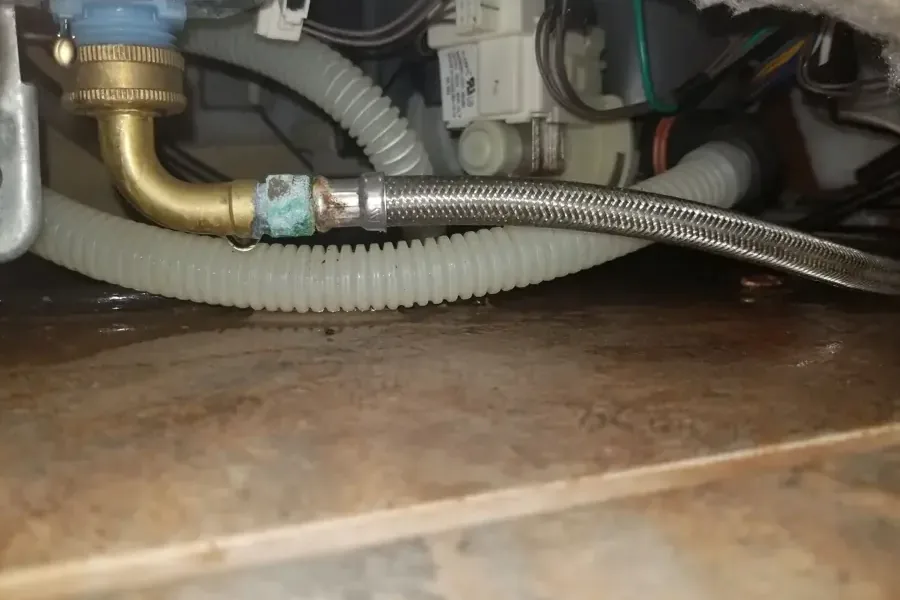 Appliance Leak CleanupDishwasher, washing machine and refrigerator leaks soak cabinets and flooring, which the crew dries before damage spreads.See the service
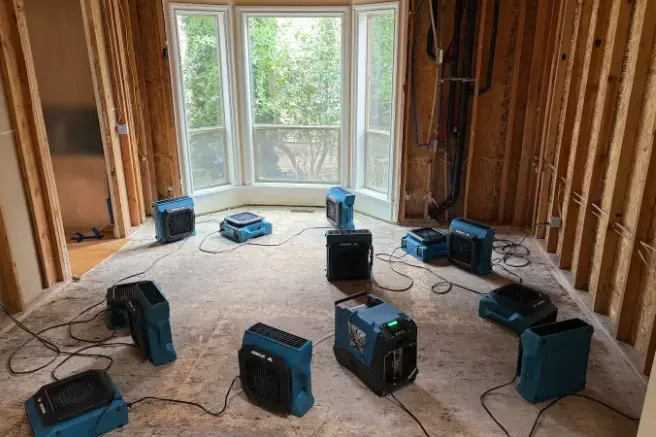 Structural DryingAir movers and dehumidifiers run until readings show framing, subfloor and drywall have reached their dry goal.See the service
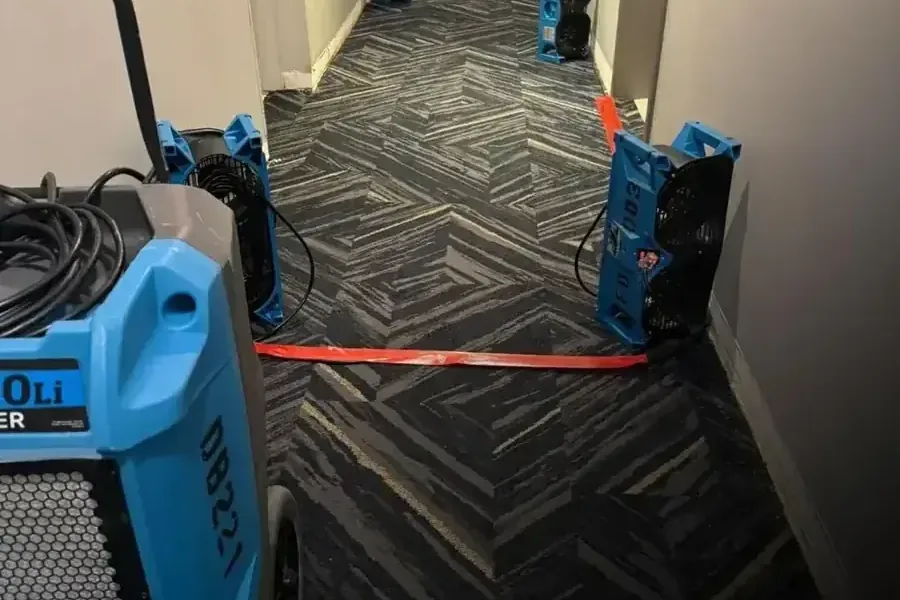 Commercial Water DamageShops, offices and industrial buildings get dry-out plans built to limit downtime, with documentation for property managers.See the service
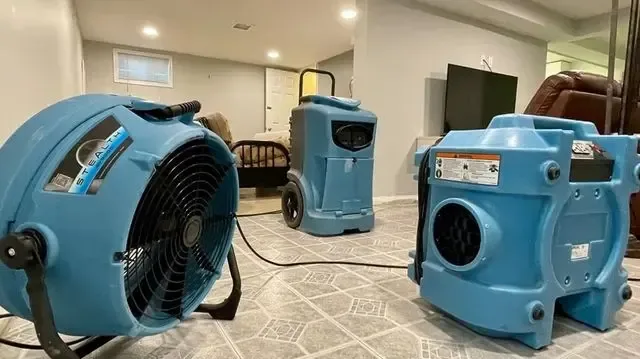
From first call to a dry, documented home
Round the clock response
Dispatch runs day and night, and the crew starts by learning what failed, which rooms are wet and whether power to them is safe.
IICRC S500 standard
Every job follows the S500 water damage standard: classify the water, set a drying goal and measure until materials reach it.
Documented moisture records
Photos, meter readings and drying logs are saved as the job moves, which gives an adjuster a clear record of the loss.
Local water knowledge
Local water damage experts follow the town's flood study and weather trends, so extraction plans account for rain, snow melt and pipe failures.
Drying that is measured, not guessed
The S500 framework turns a wet house into numbers, and those numbers decide when equipment leaves. Every job follows the same four moves.
- 1
Map
Meters and a thermal camera trace water through floors, walls and ceilings, so no wet pocket hides behind finished surfaces.
- 2
Extract
Truck-mounted units and portable pumps pull standing water first, since removing liquid is far quicker than drying it and limits swelling.
- 3
Set the drying
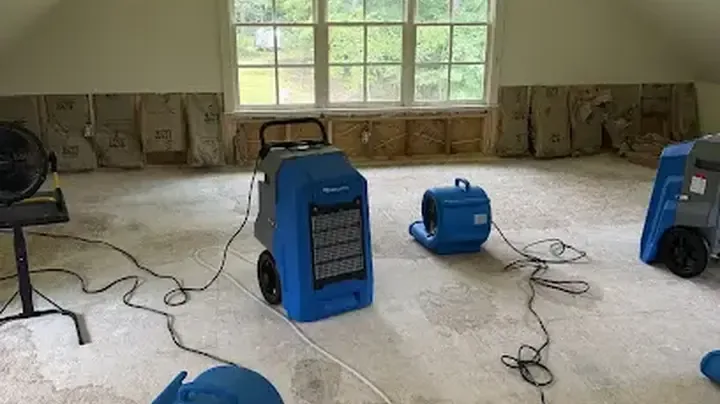
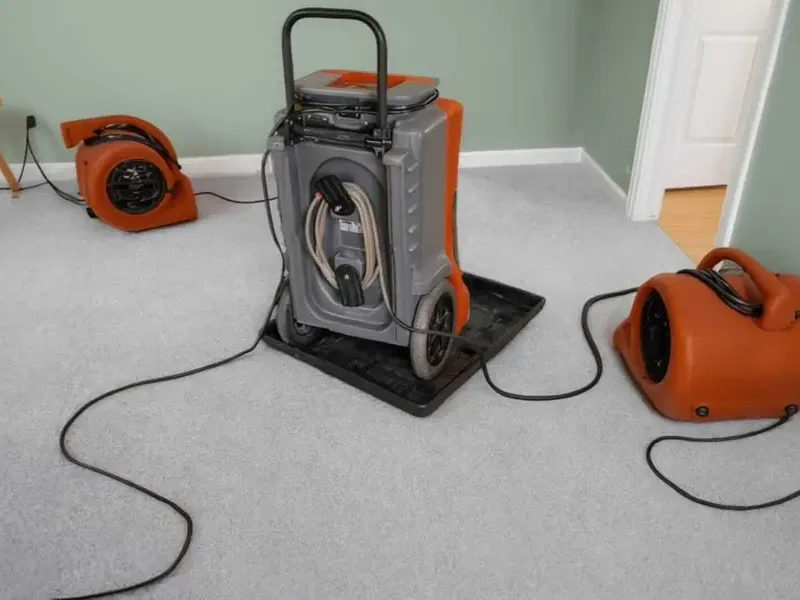
Air movers and dehumidifiers are placed by room size and wetness, aimed at a written goal for each material.
- 4
Read and verify
Daily readings show whether materials are drying, equipment is adjusted, and the job ends only when readings match the goal.
Equipment on every job
- Extraction unitsthat pull standing water from carpet and hard floors
- Air moversthat push air across wet floors and wall cavities
- Dehumidifiersthat remove moisture from the air so materials give up water
- Imaging and metersthat reveal wet materials behind finished surfaces
- Containment and HEPAbarriers and filtered air scrubbers that keep dust inside the work area
Three kinds of water, three kinds of response
Category sets the safety steps, so sources matter more than volume.
Burst supply pipes, failed fittings and rain entering through a roof start as clean water, though it degrades the longer materials stay wet.
Overflow from a washing machine or dishwasher and water from a failed sump pump count as gray, carrying contaminants that call for careful removal.
Sewage backing up through drains and storm runoff of the kind the town flood study examines are black water, handled with protective gear and containment.
See sewage backup cleanupWhat water damage cleanup typically costs
Most jobs run from $1,300 to $22,000+, depending on the water category, the area wet and how long materials stayed damp. The water damage cost calculator frames a budget, and the final figure comes from an on-site inspection rather than a guess.
- Minor, one-room water$1,300 to $3,200
- Clean water from one source
- Limited wet flooring or drywall
- Equipment stays only briefly
- Several rooms or deeper wetness$3,200 to $7,500
- Water reaching walls and subfloor
- Longer equipment run time
- Gray water adds sanitizing
- Major loss or black water$7,500 to $22,000+
- Sewage or floodwater involved
- Materials removed and replaced
- Containment and heavy equipment
Costs shift with water category, affected square footage, access to wet cavities and how long water sat.
Ranges are general trade figures, and only an on-site assessment sets a firm price for one house.
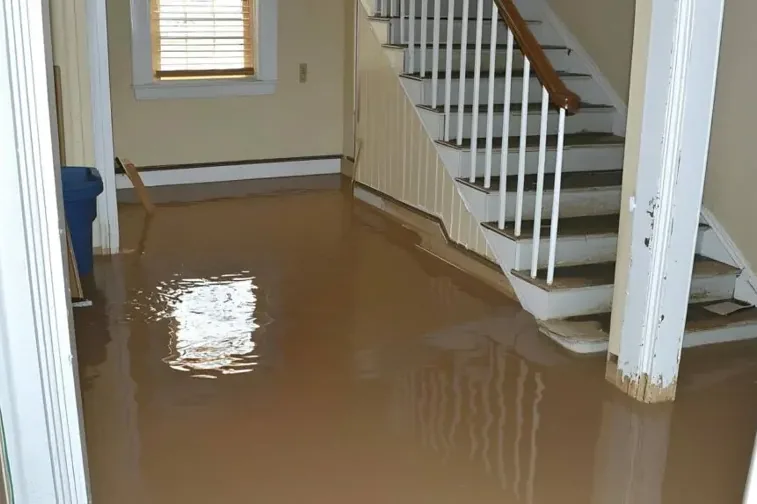
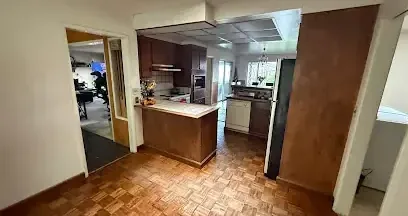
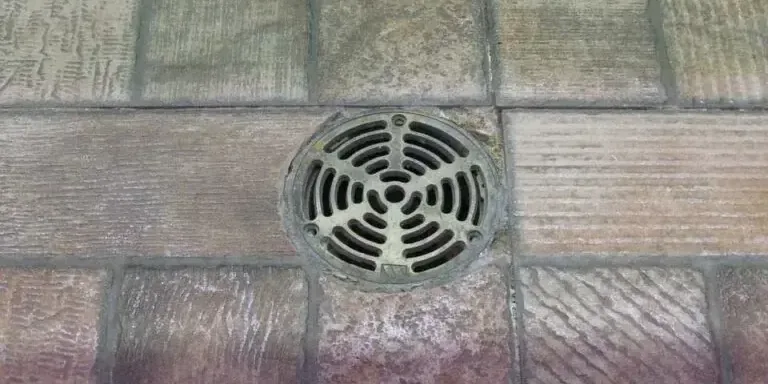
What water damage work looks like on site

Service across the town and nearby places
Crews work across Stoughton, from Downtown and Stoughton Square to the York Street and Redwing Brook area and the commercial stretches along Route 24 and Route 138, all within Norfolk County. The Weymouth page and the full service area show the rest of the coverage.
ZIP code
Areas and landmarks
Nearby towns
Where water trouble starts around town
Weather records show more heavy rainstorms and more intense windy storms around Stoughton. The town flood study ran town-wide storm simulations and named the York Street and Redwing Brook area and the Downtown area as its two highest priorities for further study.
- Heavy downpours. Weather records point to more heavy rainstorms, and water that outruns drainage can reach floors, walls and yards fast.
- Culvert limits. The town flood study inspected more than 70 culverts, and many were built decades ago, so they may not handle today's heavier storms.
- Water main breaks. Pleasant Street closed after a major main break in June 2023, and a Plain Street break disrupted water service for some residents.
- Winter weight. Heavy snow on a roof and the thaw that follows can send water into ceilings and wall cavities.
- Indoor failures. Water heaters, supply hoses and drains fail in any house, and a small leak behind a wall can soak materials before anyone sees it.
What should happen first after a pipe bursts?
Shut the fixture valve or the main shutoff, switch off power to wet rooms and photograph the damage. Then call for extraction before water soaks flooring and walls. See burst pipe cleanup in Stoughton.
Who handles a water main break outside?
The Stoughton Water Department services water main breaks, shutoffs and leaks, and after business hours a main break is reported to the Stoughton Police Department. Water inside the house is the job of a restoration crew.
Is the town studying flood risk?
Yes. A town flood study ran storm simulations, inspected more than 70 culverts and flagged the York Street and Redwing Brook area and Downtown as the two highest priorities. Public meetings were held at the Old Colony YMCA.
How does heavy rain become water damage?
Weather records show more heavy rainstorms around town. When runoff outpaces drainage it can enter through doors, windows or floor drains, so extraction should start quickly to protect flooring. See storm water damage help.
What does drying to the S500 standard mean?
The S500 standard asks the crew to classify the water, set material drying goals and keep recording readings until goals are met. Equipment stays only as long as the numbers show it is needed.
Does a sewage backup need special handling?
Yes. Sewage is black water, so the crew uses protective gear and containment, removes porous materials and sanitizes the area. Read about sewage backup cleanup before anyone enters the room.
Can commercial properties along Route 24 get help?
Yes. The major commercial and industrial areas sit next to Route 24 and along Routes 138, 139 and 27, and smaller commercial areas are mixed into residential zones. See commercial water damage.
What belongs in an insurance claim file?
Dated photos, the drying log, moisture readings, receipts and a list of damaged items belong in the file. A recent water and sewer bill also helps document normal usage.
How soon should wet materials be dried?
Drying should begin right after extraction, because damp drywall, wood and insulation can support mold growth and swelling as time passes. The crew sets equipment and reads moisture each day until materials meet the goal.
Water is spreading, so start the dry-out now
Phone the drying crew once water reaches a floor, wall or ceiling, because damp materials swell and spoil with time.
(888) 480-6221Start the dry-out by phone