Commercial Water Damage Stoughton, MA
Business water losses involve tenants, stock and schedules as well as flooring and walls. The mitigation team plans the dry-out around occupied space, extracts at scale and documents the work for property managers and insurers.
(888) 480-6221Downtime grows while water sits, so call early.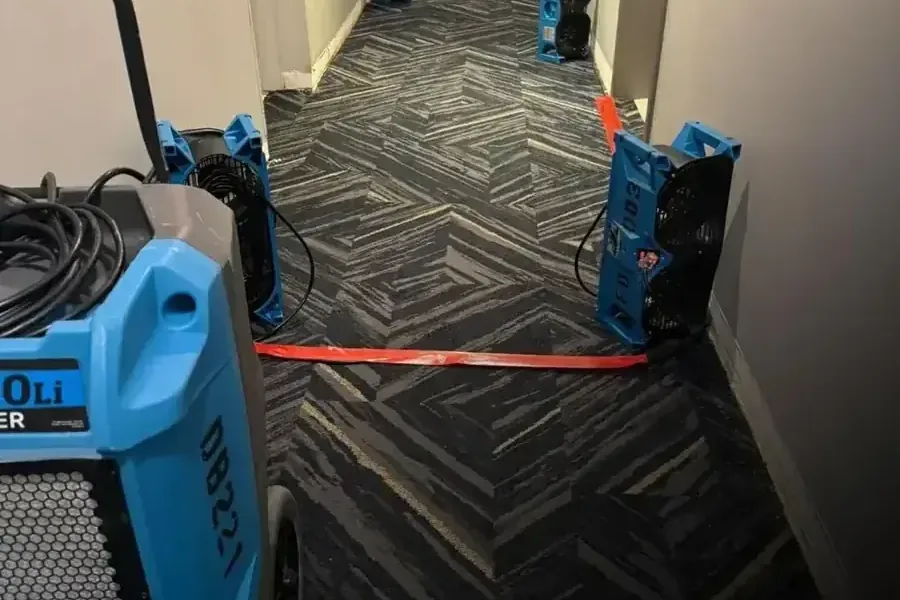
Steps for managers after a water loss
Do now
- 1Secure the building. Shut off the water source, switch off power to wet areas and keep staff and customers out.
- 2Protect stock. Move inventory, records and electronics off wet floors onto shelving or pallets.
- 3Document the loss. Photograph affected areas, equipment and inventory and note when the water began.
- 4Call the crew. Phone the restoration team and share the building layout, tenants and access hours.
Hold off
- Do not reopen until power is checked
- Do not leave stock on wet floors
- Do not delay notifying the insurer
How the restoration crew handles commercial water damage
Commercial losses often start as roof, pipe or drain failures, so see roof leak water damage and sewage backup cleanup for the source types.
Around-the-clock response
The response team rolls out day and night, storm nights and holidays included, and treats active water as urgent.
IICRC S500 drying standard
The drying team pulls equipment only when meter readings say dry, not when a surface looks dry.
Claim-ready drying records
Moisture maps, daily psychrometric readings and timestamped photos go into one log for the adjuster and the owner.
Older South Shore construction
Fieldstone foundations, plaster walls, cast iron drains and finished basements are everyday work, so the crew checks below grade and behind the walls.
What does commercial water damage cost in Stoughton, MA?
Commercial cost scales with floor area, occupancy and how much equipment the space needs. The tiers below span $3,000 to $30,000+, and the water damage cost calculator can frame a range before a walk-through. Final pricing comes from the on-site assessment.
- Single suite$3,000 to $8,000
- One area wet
- Tile and base removed
- Short dry-out
- Multiple suites$8,000 to $18,000
- Shared walls wet
- Occupied containment
- Extended drying
- Large facility$18,000 to $30,000+
- Open floor area
- Industrial equipment
- Phased dry-out
Price moves with the water category, the wet square footage, the material class and how quickly drying began. The water damage cost calculator gives a planning range.
The commercial water damage process, step by step
- 1
Assess and contain
The crew maps wet areas, protects occupied spaces with barriers and agrees an access plan with the manager.
- 2
Extract at scale
Truck-mounted extractors and pumps clear large floor areas, then wet vacuums work corners and thresholds.
- 3
Remove and open
Wet ceiling tile, carpet tile and base are removed, and wall cavities are opened where meters show moisture.
- 4
Dry and report
Industrial dehumidifiers and air movers run while daily reports go to the manager and the insurer.
Stoughton has a history of manufacturing, an emerging cluster of regional retail and a large base of land zoned for commercial and industrial use. The major commercial areas sit next to Route 24 and along Routes 138, 139 and 27, with smaller ones mixed into residential zones.
Why commercial losses differ
Large floor plates, shared walls and occupied spaces mean water spreads across more area and affects more people. Business records, stock and equipment also need protecting while the dry-out proceeds. Cleaning, safety and insurance notices each add steps that residential jobs rarely need.
How the work is organized
- Walk-through with the manager to set access and priorities.
- Zoned extraction and drying so unaffected areas stay open.
- Daily reports with photos and readings for the insurer.
Phased work limits downtime for tenants. A written scope lets managers explain the work to tenants.
Related pages
Commercial water usually needs the same drying method described at structural drying, and large lower-level spaces overlap with basement water damage. Contaminated losses follow flood water cleanup. Each page notes the equipment and documentation a manager can expect.
Where commercial water damage is handled around Stoughton
Crews work across Stoughton, from Downtown and Stoughton Square to the York Street and Redwing Brook area and the commercial stretches along Route 24 and Route 138, all within Norfolk County. The Weymouth page and the full service area show the rest of the coverage.
Browse the full coverage mapRelated water damage services in Stoughton
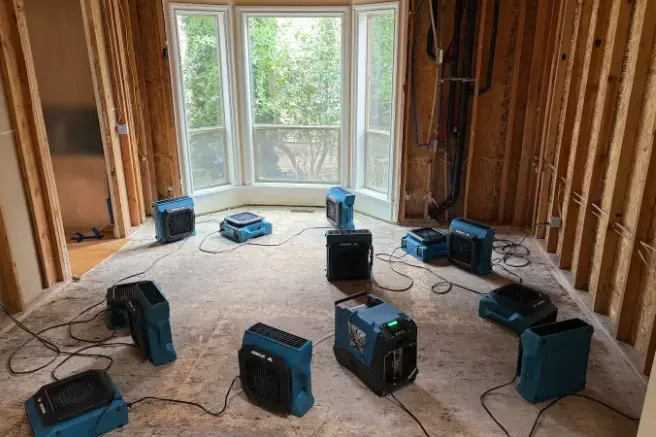 Structural Drying in StoughtonAir movers and dehumidifiers run until readings show framing, subfloor and drywall have reached their dry goal.See the service
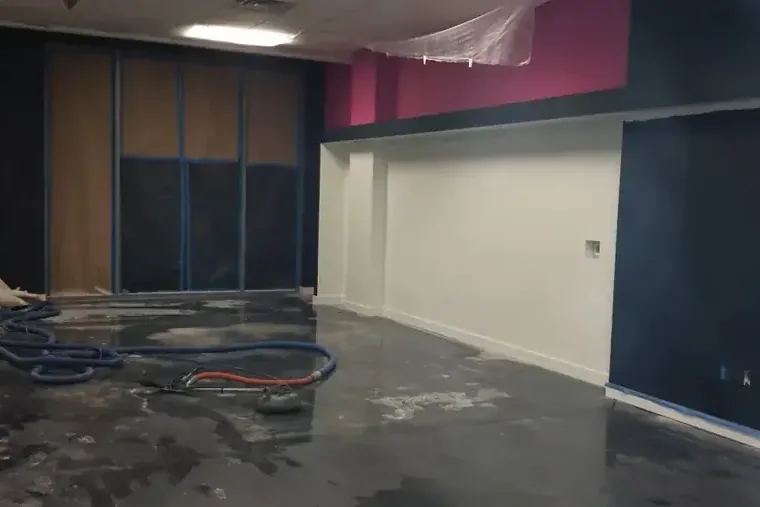 Flood Water Cleanup in StoughtonStorm runoff that reaches living space is removed, the area is cleaned and sanitized, and wet materials are sorted.See the service
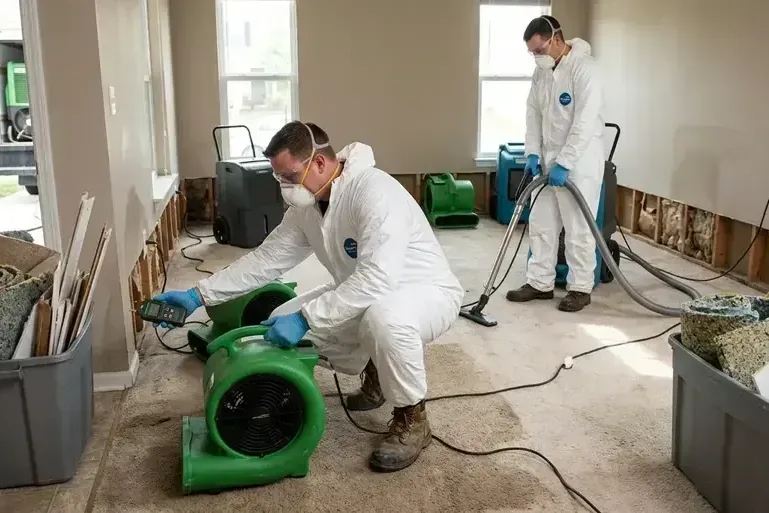 Sewage Backup Cleanup in StoughtonSewage in a floor drain or fixture calls for protective gear, containment, removal of soaked materials and sanitizing.See the service
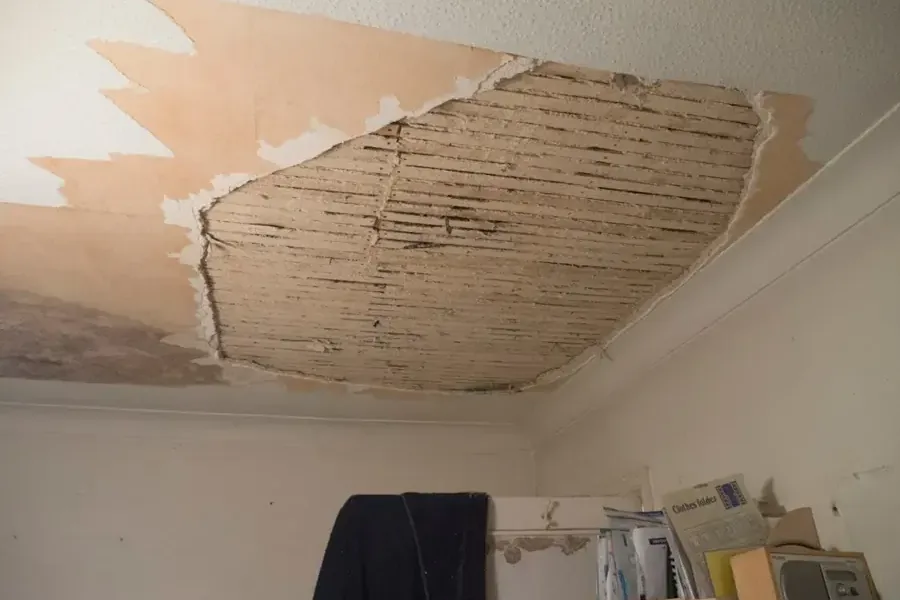 Roof Leak Water Damage in StoughtonSnow load and wind can open a path for water; the crew dries the ceiling, insulation and framing below.See the service
Commercial Water Damage in BraintreeShops, offices, restaurants and rental buildings dried in phases around business hours.See the service
Roof Leak Water Damage in StoughtonSnow load and wind can open a path for water; the crew dries the ceiling, insulation and framing below.See the service
Commercial Water Damage in BraintreeShops, offices, restaurants and rental buildings dried in phases around business hours.See the service
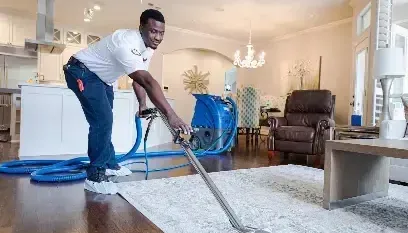 Water damage restoration in StoughtonPick the problem that matches, or begin with water extraction when the source is still unclear. Each card opens a dedicated page.Open the town page
Can a business stay open during a dry-out?
Often yes. Zoned containment keeps unaffected areas usable, though noise from equipment and restricted access may apply.
Who needs the damage reports?
Property managers, tenants and insurers often all ask for photos, readings and daily logs, so the crew produces them from the start.
Where in Stoughton are commercial areas?
Commercial and industrial areas cluster beside Route 24 and run along Routes 138, 139 and 27, while smaller businesses sit among residential streets.
Does sewage change a commercial job?
Yes. Contaminated water means containment, protective gear and disposal of porous finishes, as described under sewage backup cleanup.
How is large-area drying planned?
The crew divides the space into zones, sets dehumidifiers by volume and tracks readings per zone until each reaches its goal.
Which equipment suits commercial space?
Industrial dehumidifiers, high-volume air movers and truck-mounted extractors handle large floors, with meters confirming the result.
A wet building needs a dry-out plan
Phone the mitigation team to plan extraction and drying around tenants, protect stock and document the loss for managers and insurers.
(888) 480-6221Call about the building