Canton Water Damage Restoration
When a pipe splits, a heavy rain finds the basement or a drain pushes sewage back, the restoration team pulls the water out and dries the structure with meters guiding every step, so Canton homes and businesses can get back to normal.
(888) 480-6221Call about the water in your home Water coming out
What to do right after water appears
Small decisions in the first stretch decide how much of the house stays dry, so work through these steps while the damage is still limited.
Do now
- 1Stop the flow. Close the main water shutoff or the valve at the fixture so the supply stops feeding the leak before more rooms get wet.
- 2Mind the electric. Stay out of standing water near outlets, cords or the panel, and have the power to that area switched off from a dry spot.
- 3Lift what you can. Move rugs, books, electronics and small furniture onto dry ground, and set foil or wood blocks under heavy legs.
- 4Photograph everything. Take wide and close photos of the water, the damaged items and any wet walls before anything is moved or thrown away.
- 5Call the crew. Call the restoration team while surfaces are still wet, because extraction and drying work best when they begin early.
Hold off
- Do not walk through water near outlets or cords
- Do not run a household vacuum on wet floors
- Do not toss damaged items before photographing them
- Do not wait for wet surfaces to dry by themselves
Water problems the crew handles in town
Water loss takes many forms in town, from a supply pipe that gave way to a drain that backed up.
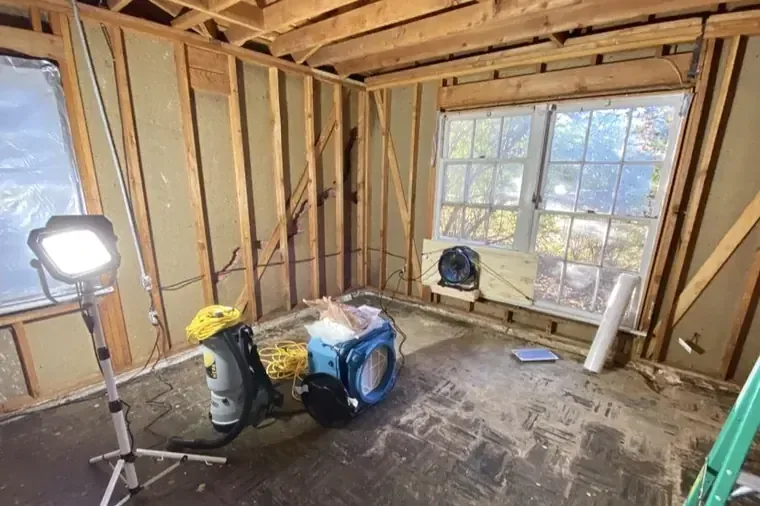 Basement Water DamageWet lower levels get pumped out, opened where needed and dried before damp reaches framing, drywall and stored belongings.See the service
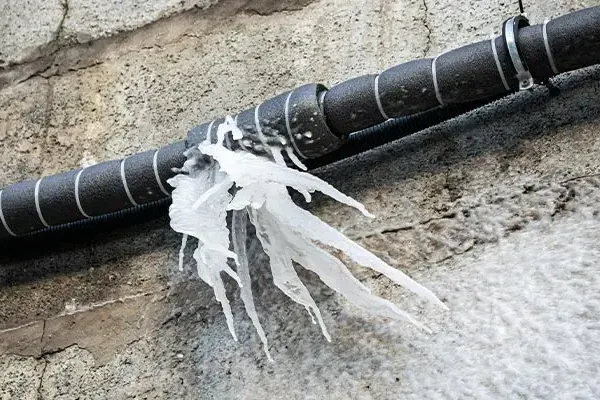 Frozen Pipe CleanupA thawing pipe can flood a wall or ceiling quickly, so the crew removes the water and dries what it soaked.See the service
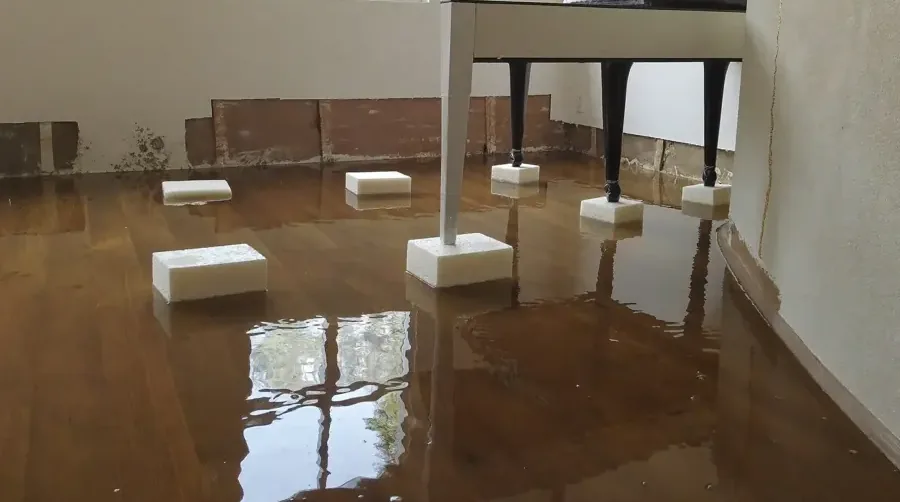 Water ExtractionPumps and wands pull standing water off floors and out of carpet, the step that matters most after a downpour.See the service
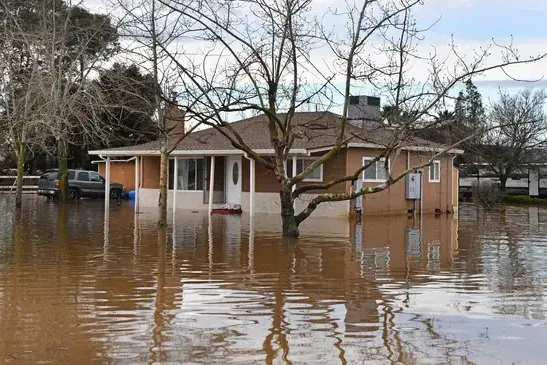
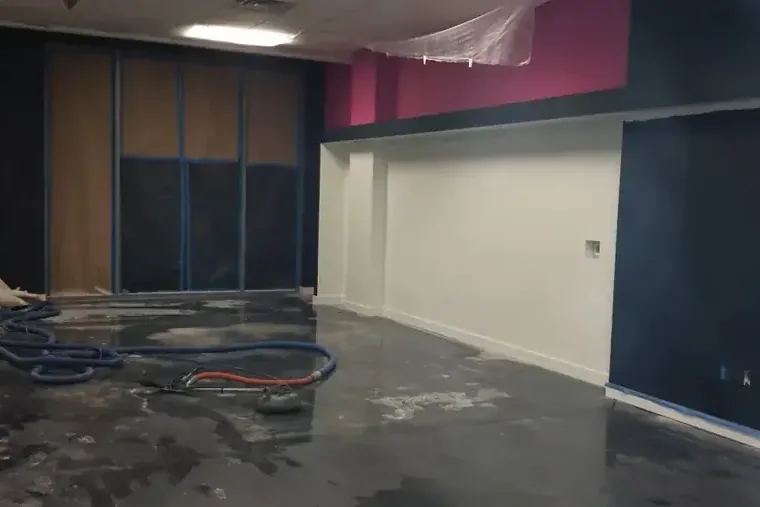 Flood Water CleanupRising water from heavy rain or a swollen stream is removed, then floors and walls are cleaned and dried.See the service
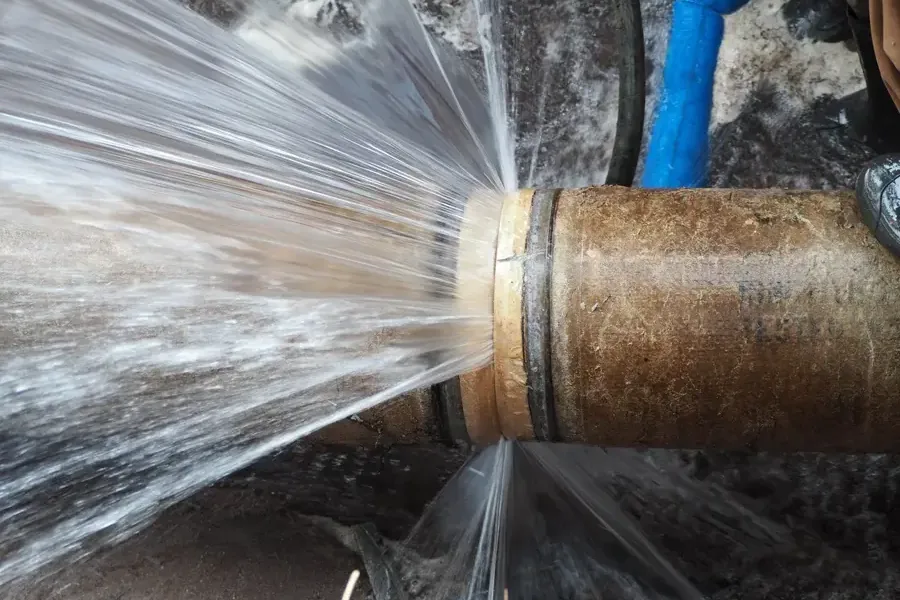 Burst Pipe CleanupA split supply pipe sends water through floors and ceilings, and the drying team follows its path room by room.See the service
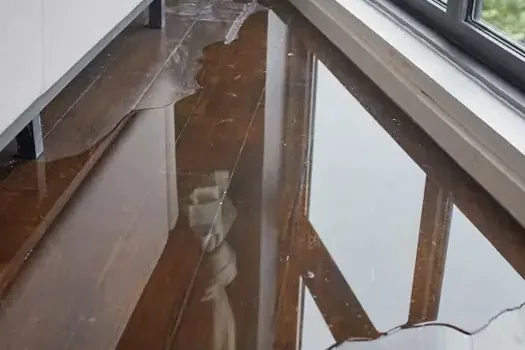 Storm Water DamageWind-driven rain through a window, door or damaged roof is extracted from floors and walls before swelling sets in.See the service
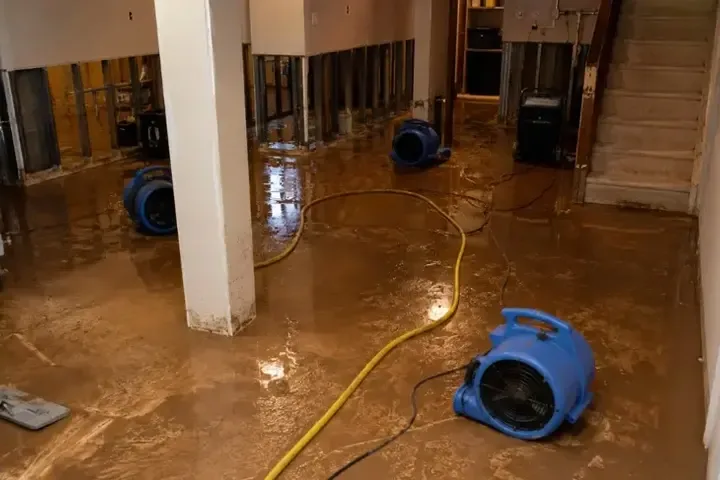 Sump Pump Failure CleanupWhen a pump quits or is overwhelmed, the basement fills, and the crew clears it and dries slab, walls and contents.See the service
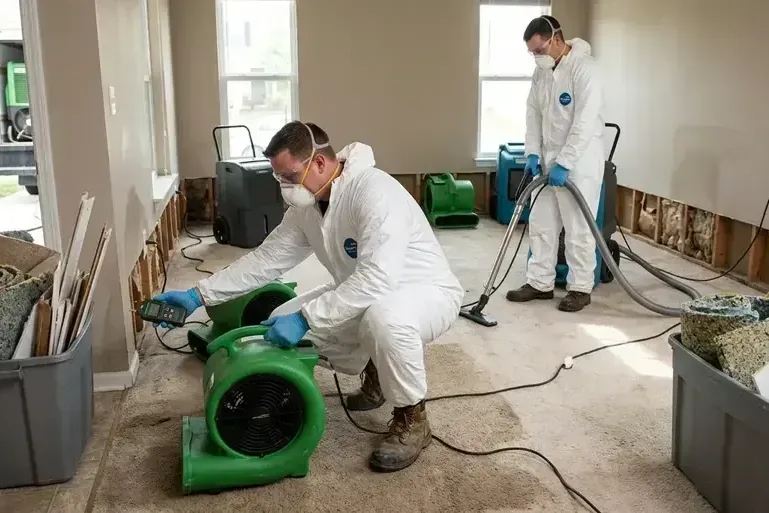 Sewage Backup CleanupContaminated water from a backed up drain is removed in protective gear, then surfaces are cleaned and sanitized.See the service
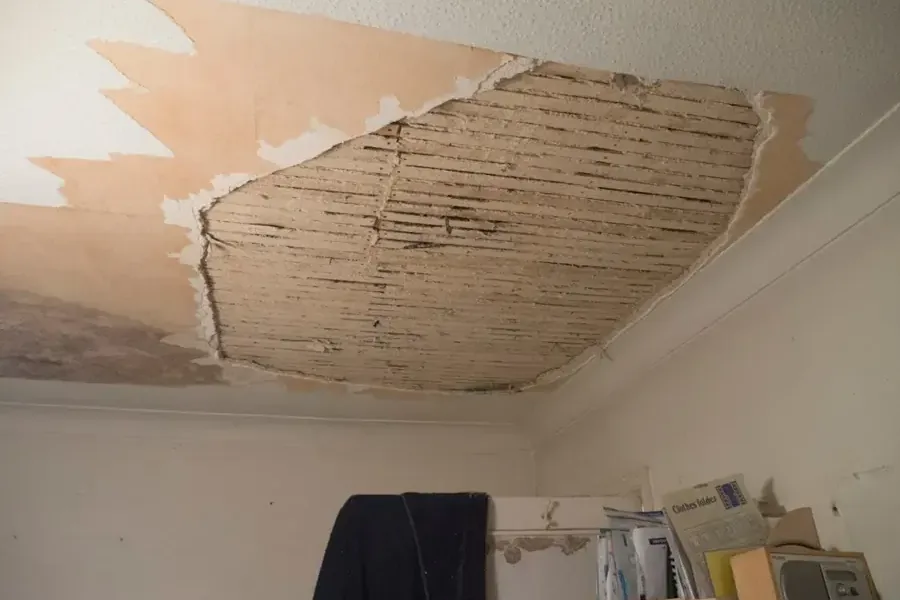 Roof Leak Water DamageWater that comes through the roof soaks insulation and ceilings, so the mitigation team traces it and dries every layer.See the service
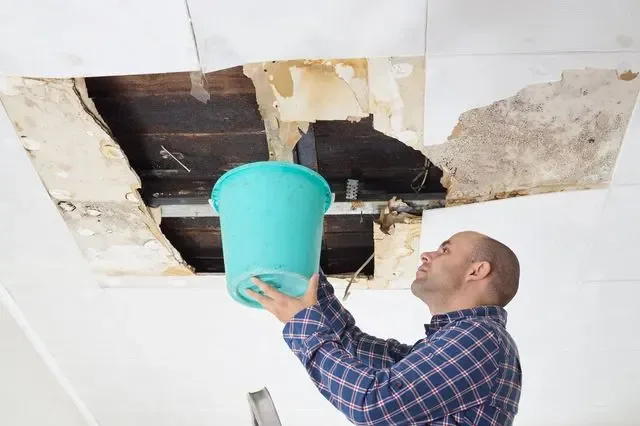 Ceiling Leak Water DamageA stained or bowing ceiling hides trapped water, which is released safely and dried before the drywall fails.See the service
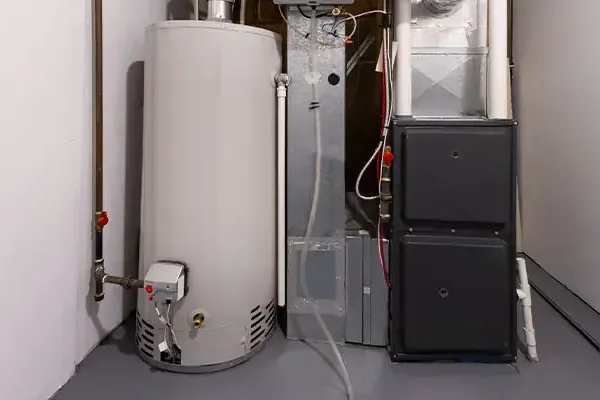 Water Heater Leak CleanupA leaking tank spreads water across a utility area, and extraction plus drying keeps it from creeping outward.See the service
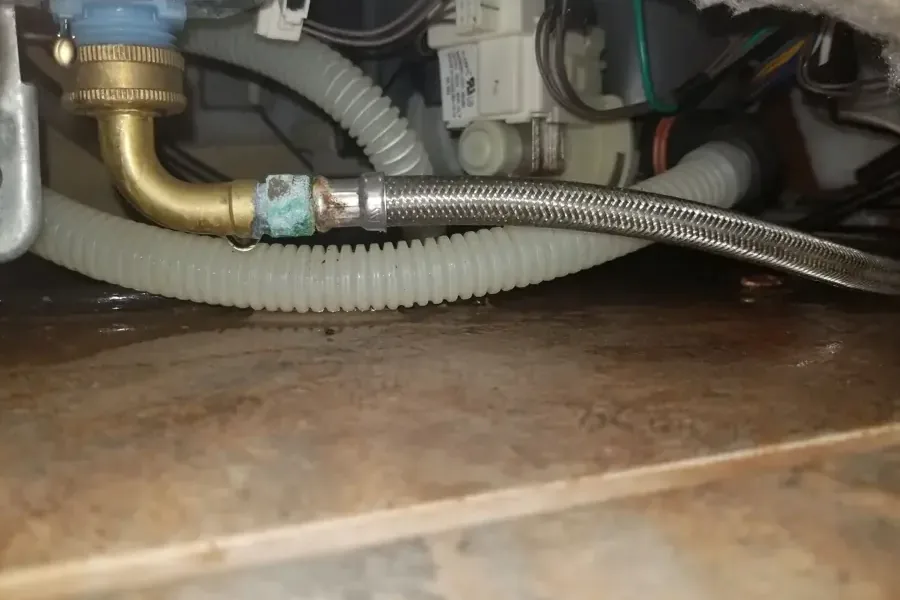 Appliance Leak CleanupDishwashers, washers and refrigerator hoses leak behind panels, and the crew checks floors and cabinets for hidden moisture.See the service
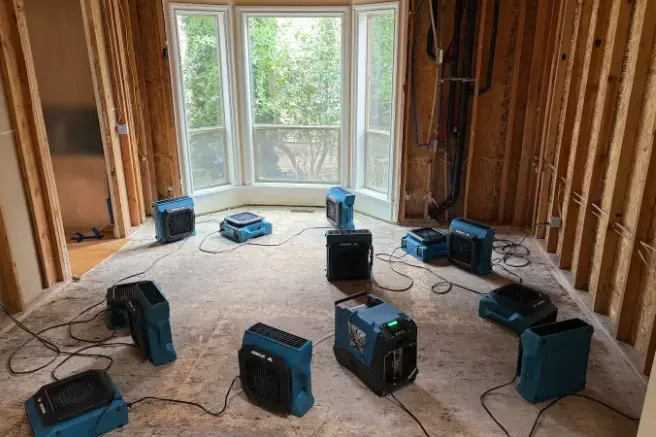 Structural DryingMeters, air movers and dehumidifiers dry framing, subfloors and walls until readings match a dry reference.See the service
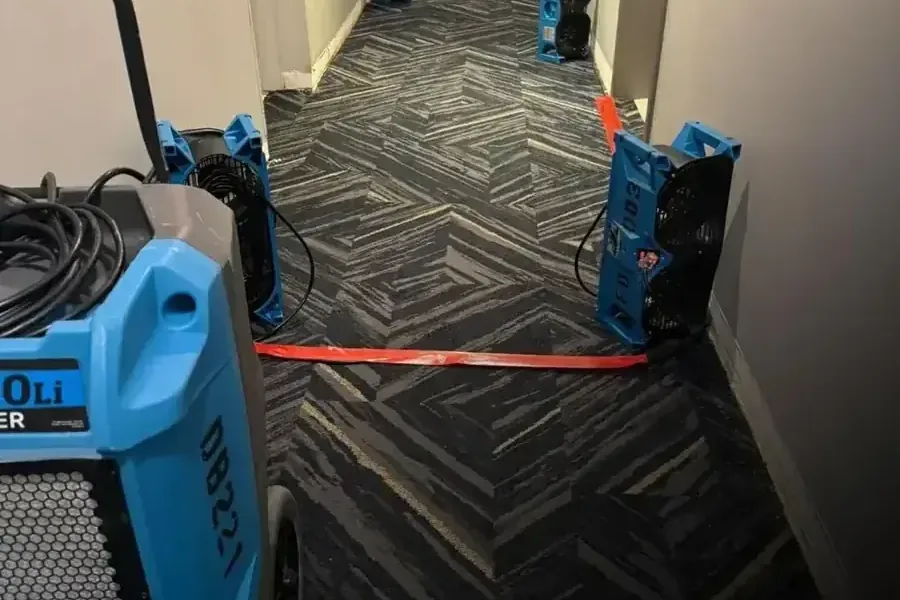 Commercial Water DamageOffices, schools and larger buildings need drying planned around daily operations, with the least disruption to staff and clients.See the service
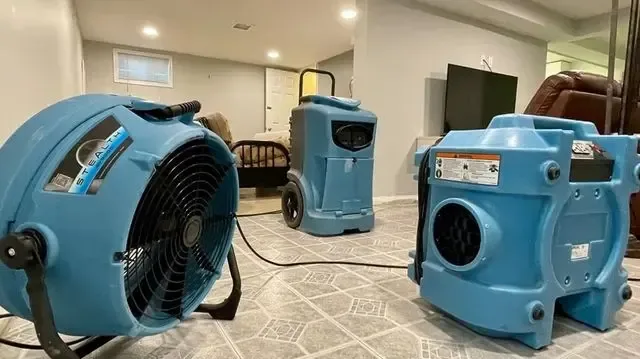
A drying job built on measurements, not guesses
Prepared response
The crew begins with the source, the rooms involved and the water type, then loads the truck with the pumps and drying gear that job needs.
IICRC S500 standard
Every job follows the IICRC S500 water damage standard, from sorting the water category to setting equipment and proving the structure is dry.
Written documentation
Moisture logs, equipment records and dated photos are kept for each visit, giving owners and adjusters a clear record of what happened.
Local knowledge
The team knows Canton as a town of rivers, ponds and wetlands, and plans extraction and drying around that wet landscape.
Drying that follows IICRC S500
The S500 standard turns drying into a measured process, so each room is checked against readings rather than judged by feel alone.
- 1
Map
Meters and thermal imaging trace water through floors, walls and ceilings, and each wet area is marked so no hidden pocket is skipped.
- 2
Extract first
Pumps and truck-mounted extractors remove bulk water, since every gallon pulled out is one that never has to evaporate.
- 3
Set the drying
Air movers and dehumidifiers are placed to suit the room and the material, then adjusted as readings change from visit to visit.
- 4
Read and verify
Daily readings are compared with a dry reference, and equipment stays until every wet material tests dry.
Equipment used on every job
- Truck-mounted extractorspull large volumes of water from floors and carpet
- Air moverspush dry air across wet surfaces to speed evaporation
- Dehumidifierspull moisture from the air so materials keep releasing it
- Thermal cameras and metersfind wet material hidden behind finished surfaces
- Containment and HEPAkeep dust and contaminants inside the work area
Three water categories, three different responses
The water's source decides how the cleanup is done.
Supply pipes, water heaters and appliance hoses release clean water, and quick removal keeps it from slipping into the next category.
Washer and dishwasher discharge, an overflowing sump pit or rain that crosses soil on its way in can carry soap, dirt and bacteria.
Sewage, a backed up drain and flood water that has crossed ground or river banks carry serious contamination and call for protective gear.
Sewage backup cleanupWhat water damage cleanup tends to cost
Cost follows how much water came in, how long it sat and which materials it reached, so a small leak caught early and a flooded finished basement sit at opposite ends of the scale. Sewage and deep flood water cost the most because of the protection and removal they need.
- One room, dried quickly$1,300 to $3,200
- Extraction and wand work
- Air movers and a dehumidifier
- Only a few materials removed
- Basement or several rooms$3,200 to $7,500
- Wider moisture mapping
- Pad and baseboard removal
- More equipment for longer
- Sewage or deep flood water$7,500 to $22,000+
- Protective gear and containment
- Porous materials removed
- Cleaning and sanitizing
Water category, affected area, material type, drying time and any demolition needed set where a job lands.
Figures are typical ranges, not quotes, and the cost calculator gives a closer first look.
What water damage cleanup looks like in practice

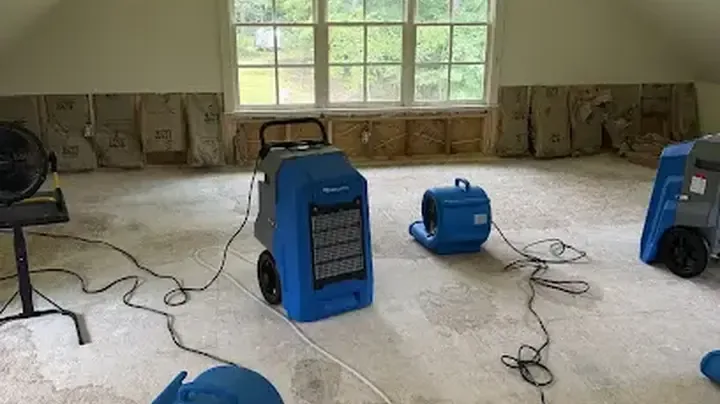
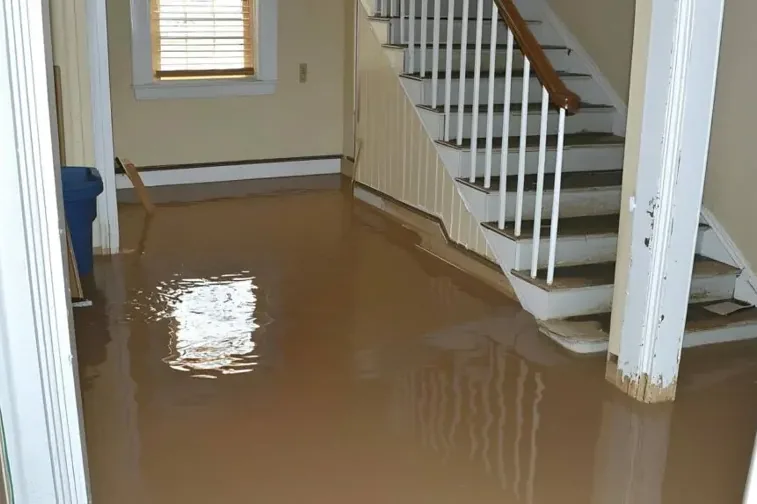
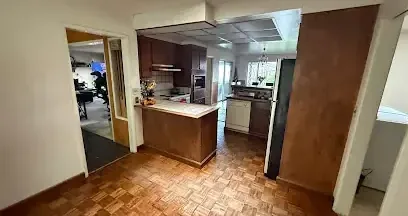
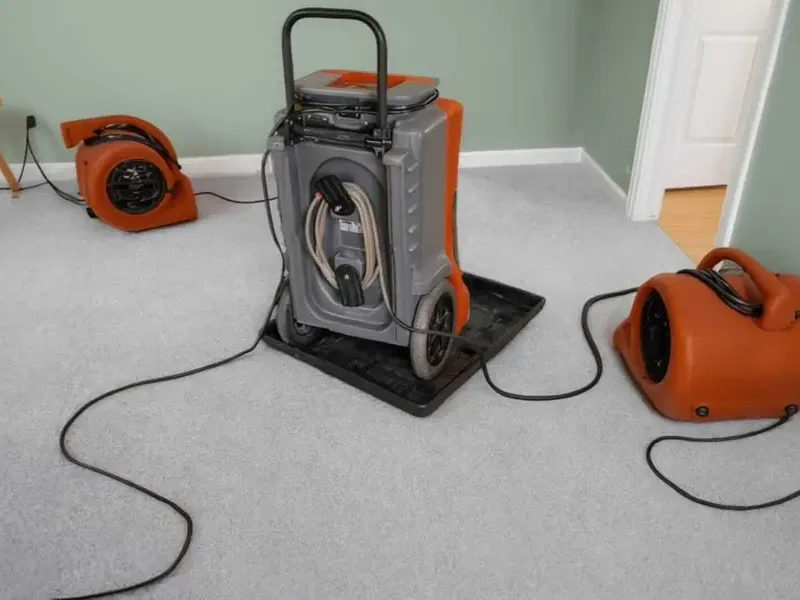
Water damage help across Canton, Massachusetts
The town sits in Norfolk County at the foot of Great Blue Hill, with the Canton River running through its center toward the Neponset River. Wetlands lie along Route 138 on the eastern side and along I-95 on the western side, and the crew works across all of it.
ZIP code
Neighborhoods and landmarks
Nearby towns
Where water trouble comes from around town
Water reaches buildings in several ways, from supply pipes and appliances to storms and drains. The Canton River links Bolivar Pond and Forge Pond on its way to the Neponset River, and wetlands sit along Route 138 and I-95, so water is never far from town.
- Heavy downpours. Rain totals of 4 to 6 inches fell in Canton, Quincy and North Scituate on July 10, 2025, showing how much one storm can deliver.
- Rivers and ponds. Bolivar Pond, Forge Pond and the Neponset River keep open water close to town, so a stretch of heavy rain deserves attention.
- Pipe failures. Supply pipes, water heaters and appliance hoses can fail in any season, and a small leak behind a wall often goes unseen.
- Winter freezes. Hard winter cold can freeze and split an unheated pipe, and the real damage shows when it thaws.
- Sewer backups. The MWRA Advisory Board lists the town as a Sewer / partial Water community, and any drain can back up when pipes clog.
What should be done first when a pipe bursts?
Close the main water shutoff, keep clear of outlets and cords near the water, and photograph the damage. Then phone about burst pipe cleanup so extraction and drying start while the materials are still wet.
What was the July 10, 2025 storm?
A flash flood warning went out for Boston and areas to the south that morning, and 4 to 6 inches of rain fell in Canton, Quincy and North Scituate. It marks how much water one storm can deliver.
How fast does drying need to start?
As soon as the bulk water is out. Damp drywall, wood and insulation can start to support mold within a few days, so drying equipment is set early and kept running until readings come back to normal.
How does a sewage backup differ from a clean leak?
A drain that backs up carries Category 3 water with bacteria, so porous materials usually come out and the area is cleaned and sanitized in protective gear. A clean supply leak can often be dried in place.
Does the work cover businesses as well as homes?
Yes. Offices, schools and larger buildings get a drying plan staged around daily operations, so staff and visitors are disturbed as little as possible while the structure is dried and the water category is handled.
Can wet carpet and drywall be saved?
Clean water caught early often lets carpet and drywall be dried in place. Sewage, long soaking or crumbling material usually means removal, and meter readings decide each case rather than appearance.
What does homeowners insurance usually cover?
Policies often cover sudden events such as a burst pipe but treat slow seepage differently, and sewer backup is often a separate add-on. The policy wording and the adjuster decide coverage, so read both.
What water features surround the town?
The Canton River runs through the center, linking Bolivar Pond and Forge Pond on its way to the Neponset River, and wetlands sit along Route 138 and I-95. Heavy rain keeps those waters in mind.
Can a leaking appliance cause big damage?
Yes. A dishwasher, washer or refrigerator supply hose can leak behind panels for a long time, and the first sign is often a soft floor or a stain on the ceiling below.
Get the water out while the damage is still small
Phone the restoration team at any hour, describe what happened, and the extraction and drying plan takes shape.
(888) 480-6221Phone the crew about a wet house