Basement Water Damage in Rockland, MA
A wet basement holds water against concrete, framing and stored belongings, so the extraction crew pumps it out, removes what cannot dry and sets equipment to bring the lower level back to a measured dry standard. Call now, any hour.
(888) 480-6221Call now about a wet lower level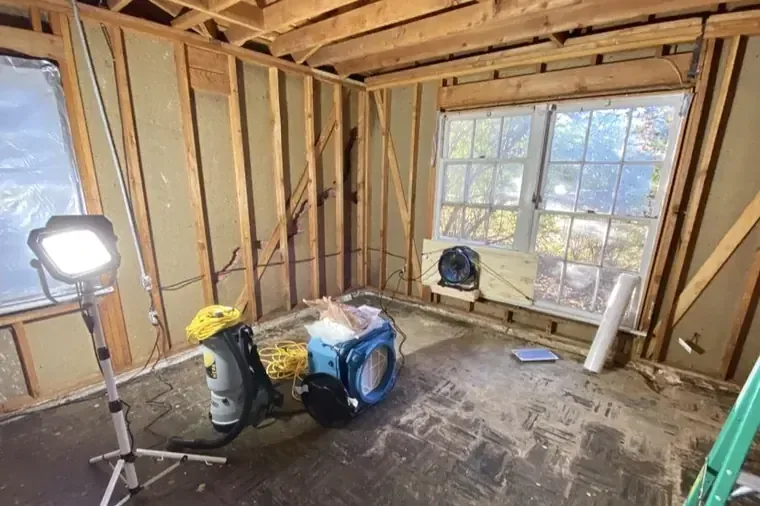
First moves for a wet basement
Do now
- 1Check before entering. Stay upstairs if water reaches outlets, the panel or the furnace, and shut the main when safe.
- 2Stop incoming water. Close the supply valve for a leaking pipe or heater and check that the sump pump is working.
- 3Move belongings up. Carry boxes, electronics and papers to a dry floor and set furniture legs on blocks.
- 4Take photographs. Record the water level and damaged items before anything is carried out or thrown away.
Hold off
- Do not step into water near power
- Do not carry wet boxes into dry rooms
- Do not run a household vacuum
How the restoration crew handles basement water damage
Water in a lower level often ties to a sump pump failure or a backed up drain, and each cause changes the cleanup.
Around-the-clock response
The response team rolls out day and night, storm nights and holidays included, and treats active water as urgent.
IICRC S500 drying standard
The drying team pulls equipment only when meter readings say dry, not when a surface looks dry.
Claim-ready drying records
Moisture maps, daily psychrometric readings and timestamped photos go into one log for the adjuster and the owner.
Older South Shore construction
Fieldstone foundations, plaster walls, cast iron drains and finished basements are everyday work, so the crew checks below grade and behind the walls.
What does basement water damage cost in Rockland, MA?
Basement jobs generally run from $1,500 for an unfinished space to $14,000 or more when a drain backup or seepage reaches finished areas. Finished flooring, drywall and the category of the water move the total most. The drying time estimator shows how long a lower level may take.
- Unfinished, clean water$1,500 to $3,000
- Bare concrete floor
- Clean supply source
- Pump and dry
- Finished lower level$3,000 to $8,500
- Carpet and pad removed
- Wall cavities opened
- Longer equipment run
- Drain backup or seepage$4,500 to $14,000+
- Contaminated water
- Materials discarded
- Containment used
Price moves with the water category, the wet square footage, the material class and how quickly drying began. The water damage cost calculator gives a planning range.
The basement water damage process, step by step
- 1
Pump the water
A submersible pump lowers the water in steps, and the crew watches walls and floor as the level drops.
- 2
Strip the wet
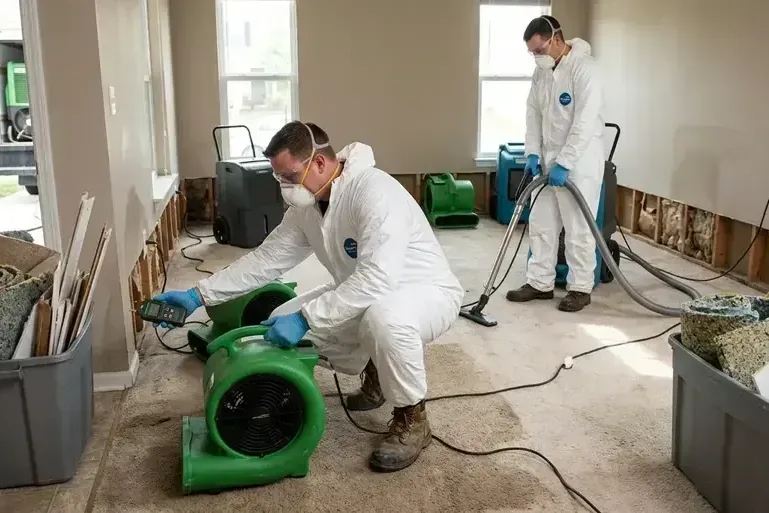
Carpet, pad, baseboards and low drywall that took water are cut out so walls and floor can breathe.
- 3
Dry the structure
Air movers push air across concrete and framing while dehumidifiers pull moisture out of the room.
- 4
Verify the readings
Meters check concrete, studs and drywall each visit until the numbers meet the dry goal.
A basement fills from three directions: a pipe or heater inside the house, a drain that cannot carry water away, or surface water finding a way in. Rockland has rocky ground, ponds and brooks, but each lower level is judged on what is actually wet.
Pumping and removal
Pumping comes first, followed by removal of carpet, pad and drywall that sat in water. Concrete is left in place and dried, because it holds moisture long after the surface looks clear, and framing is read with meters before anything is closed up.
What gets checked in a lower level
- Furnace, water heater and panel positions relative to the water
- Wall cavities behind finished drywall, opened where meters read wet
- Stored boxes and furniture, sorted into dry, damp and discarded
Water from a drain follows sewage backup cleanup steps instead of clean water drying.
Drying to a number
Dehumidifiers and air movers run until concrete, studs and drywall read within range of an unaffected reference point. The extraction work and drying are recorded in one report, with photos taken before and after each stage.
Where basement water damage is handled around Rockland
Water damage restoration covers Rockland, a Plymouth County town of 17,803 people at the 2020 census, from Union Street and Rockland Center to Beech Hill and the neighborhoods near Accord Pond and Studleys Pond. Homes, apartments and converted factory buildings all get the same S500 drying standard.
Browse the full coverage mapRelated water damage services in Rockland
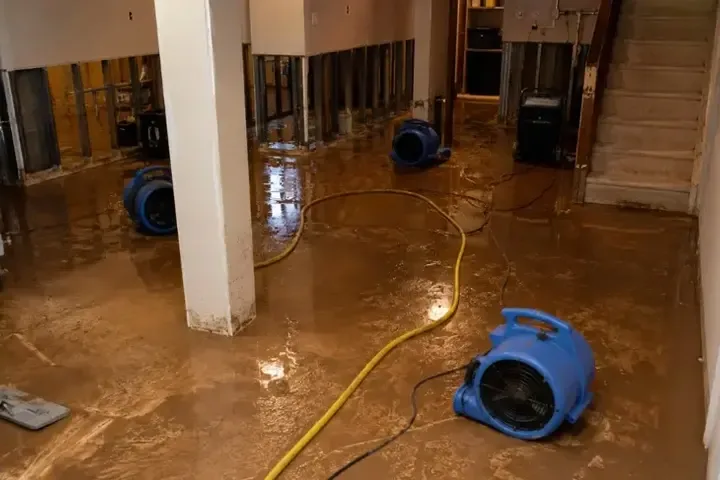 Sump Pump Failure Cleanup in RocklandWhen a sump pump stops or is overwhelmed, the extraction crew clears the basement water and dries what sat in it.See the service
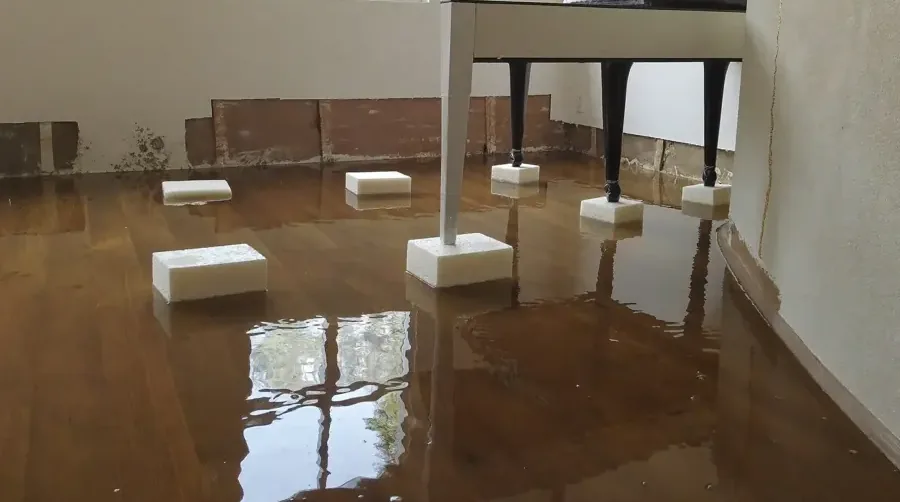 Water Extraction in RocklandTruck mounted and portable units pull standing water off floors and carpet pad before it wicks into framing.See the service
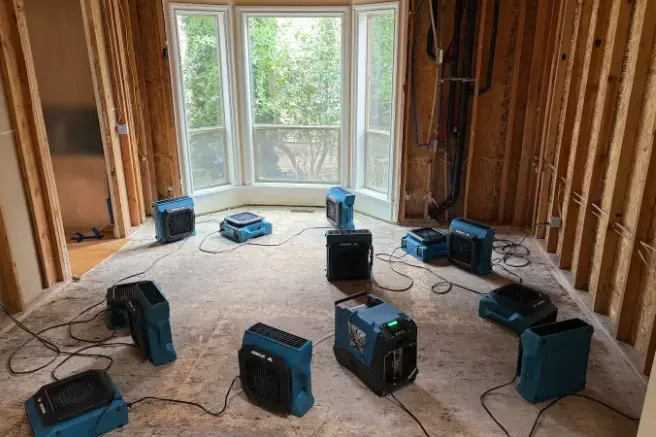 Structural Drying in RocklandAir movers and dehumidifiers dry framing, subfloor and walls to a documented standard, including former factory buildings.See the service
 Sewage Backup Cleanup in RocklandSewage that comes up through a drain is Category 3 water, removed and disinfected by a crew in protective gear.See the service
Basement Water Damage in BraintreeSeepage, split pipes and drain backups below grade, pumped out and dried slab to sill.See the service
Sewage Backup Cleanup in RocklandSewage that comes up through a drain is Category 3 water, removed and disinfected by a crew in protective gear.See the service
Basement Water Damage in BraintreeSeepage, split pipes and drain backups below grade, pumped out and dried slab to sill.See the service
 Water damage restoration in RocklandEach service below covers a different way water enters a building, from a split pipe to a backed up drain.Open the town page
Is a wet basement always urgent?
In practice yes, since wet drywall and framing begin to degrade and electrical equipment may be involved. Calling early limits what must be removed.
Can a finished basement be saved?
Clean water caught early can leave flooring and drywall in place, while contaminated water means removal. Meters help the crew decide.
How long does a basement take to dry?
Drying depends on how much concrete and framing took water, so there is no fixed schedule. Readings decide when equipment comes out.
What if the water came from a drain?
Drain water is treated as contaminated, which changes the process to removal, disinfection and containment instead of simple drying.
Should the sump pump be checked?
Yes, the pump and its discharge path should be inspected because a failed pump is a common cause, and cleanup is covered under sump pump failure.
Does insurance cover basement water?
Coverage depends on the cause and the policy, and a sudden pipe break is often treated differently from seepage. Confirm terms with the insurer.
Water in the basement? Call now
A lower level traps moisture, so early pumping and drying protect framing, flooring and stored belongings from more damage.
(888) 480-6221Rockland basement help