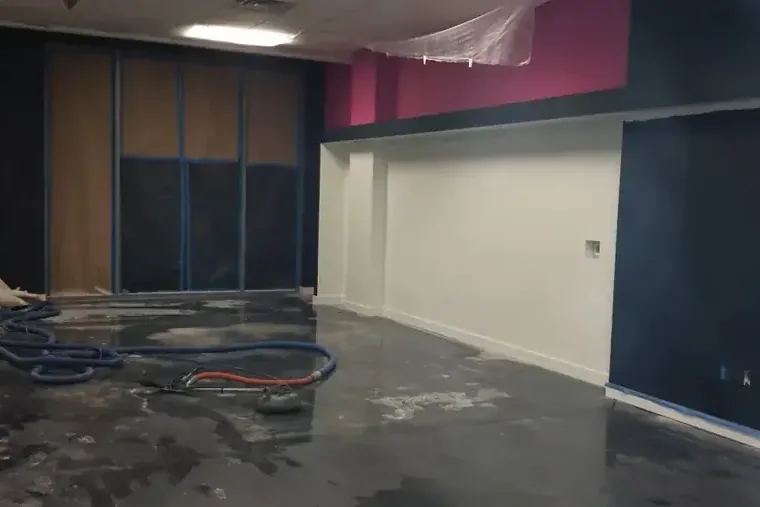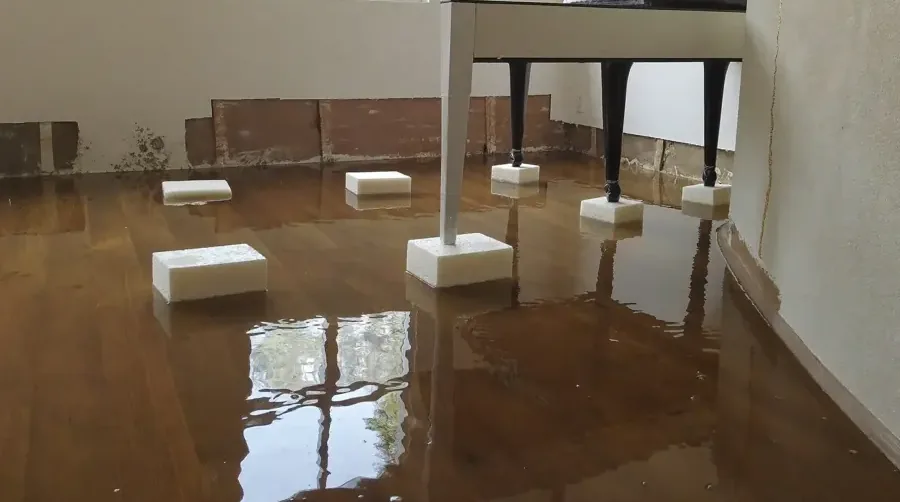
On July 10, 2025, heavy rain closed the entire Weymouth Landing area to traffic. A downpour that size can also push water into homes and shops, and the first day decides how much has to be torn out.
Key takeaways
- The National Weather Service expected 2 to 4 inches of rain on July 10, 2025, and issued a Flash Flood Warning until 11:15 a.m.
- The entire Weymouth Landing area was closed to traffic that day, and a car was stranded at Prince Street and Lake Street.
- Flash flood water counts as Category 3, so wet carpet, pad and low drywall are usually removed.
- Extraction comes first: standing water is pumped out, then the structure is dried with air movers and dehumidifiers.
- Dated photos and a written timeline taken before cleanup keep an insurance claim clear.
What happened in Weymouth Landing on July 10, 2025
Heavy rain caused flash flooding across the South Shore that day, and Braintree, Weymouth and Hingham were among the hardest hit areas.
The National Weather Service had expected 2 to 4 inches of rain and issued a Flash Flood Warning until 11:15 a.m. for northeastern Norfolk, southern Suffolk and north-central Plymouth counties.
In Weymouth the entire Landing area was closed to traffic, and a car was stranded at Prince Street and Lake Street. MBTA service between Quincy Adams and Braintree was also suspended because of flooding at Braintree Station.
- Speed: a flash flood builds quickly and drains slowly, so water can sit in low spots after the rain stops.
- Access: closed roads delay everyone, crews included, so early safe steps by the household matter.
- Mixed sources: street runoff, overloaded drains and river water can arrive together.
Why flash flood water is Category 3
Flash flood water arrives carrying street grime, soil and whatever an overloaded drain pushes back. In the IICRC S500 system that makes it Category 3, even when it looks like muddy rain.
The Landing is where the Fore River splits into tributaries, and FEMA maps mark special flood hazard areas along much of the Weymouth Fore River.
Water in this part of town can come from the street, the drains or the river, and all of it is handled the same way.
- Porous materials that touched it are removed: carpet, pad, low drywall and insulation.
- Hard surfaces are cleaned and treated, then dried.
- Food, medicine and clothing that touched the water are discarded.
The first hours at street level
For a home
Power to wet rooms comes off from a dry spot, and the household stays out of standing water that may reach outlets. Valuables go up on shelves, and photos are taken before anything moves.
Kitchen appliances, a washer and a dryer that sat in water stay unplugged until they are checked.
- Photograph the high-water mark on walls and cabinets.
- Move small valuables and papers off the floor.
- Skip the household vacuum on standing water.
- Keep children and pets out until the area is cleaned.
For a shop or office
A business keeps stock, records and equipment at floor level, and a closed street can mean customers cannot reach the door anyway. The owner can use that pause to protect what is still dry.
Inventory that touched the water is set aside for the insurer, not thrown out first. Electronics and files are lifted to a dry place. More on that kind of loss sits under commercial water damage.
- Photograph shelves, stock and equipment before moving them.
- Keep a list of what got wet, with rough values.
- Tell the landlord or building manager if the space is leased.
How extraction and drying run
The extraction crew starts with standing water, using pumps and truck-mounted units. Water extraction comes first because water left on a floor keeps climbing into walls, cabinets and subfloors.
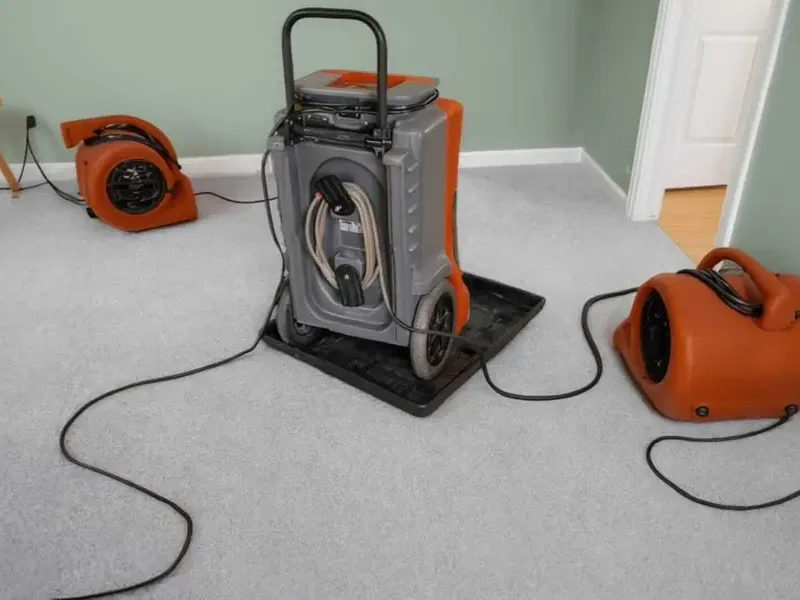
After the water is out, the restoration team removes materials that cannot be dried, cleans what stays and sets drying equipment. Moisture readings steer the work, and the equipment stays until the structure reads dry.
The full process is laid out under flood water cleanup.
A floor that looks clear can still be wet underneath. Water travels into wall cavities, under cabinets and behind baseboard, where it stays out of sight.
The drying team uses moisture meters and a thermal camera to find those pockets, then marks them so the equipment is placed where it works best.
A wall can read dry on the surface and still hold water in the insulation, which is why the readings are taken at several depths and repeated each visit.
- Pump out standing water.
- Remove soaked porous materials.
- Clean and treat hard surfaces.
- Dry with air movers and dehumidifiers.
- Record readings until they match dry reference points.
Mistakes that make a flood loss worse
The urge to fix everything at once causes most avoidable damage. A few mistakes show up again and again after a flash flood.
None of them is hard to avoid once the household knows what to watch for.
- Waiting for the water to drain on its own: standing water keeps soaking into walls, cabinets and subfloors.
- Running a vacuum or space heater on a wet floor: both add an electrical risk.
- Throwing everything out before photographing it: the insurer cannot count what was never recorded.
- Closing up wet walls: drywall and baseboard can look dry on the surface and stay wet behind the paint.
- Laying new flooring too early: coatings and new carpet trap moisture that has not finished drying.
Knowing the flood map before the next storm
The town sponsored a 2014 evaluation of its flood map panel, and FEMA approved a Letter of Map Revision in May 2016. The revised map took effect on September 29, 2016, and a number of properties were removed from the 100-year floodplain.
The town website lets residents view the flood map for a specific property address.
A property in a hazard area is not damaged by every storm, and a property outside one can still take on water, so the map works as a planning tool and not a promise either way.
Records and the insurance conversation
Flash flood losses are documented like any other water loss. Photos, a written timeline and moisture readings keep the claim clear, and the policy decides what is covered.
Owners of homes and shops can also ask the restoration team for a copy of the drying log once the job is finished.
- Photos with dates, taken before cleanup begins.
- A list of damaged items and their rough value.
- Moisture readings and equipment logs.
- Receipts for emergency costs.