Sewage Backup Cleanup in Weymouth
A sewage backup is black water the moment it appears, and it carries bacteria into every material it touches. Cleanup here follows containment, removal and sanitizing before any drying equipment is set. Everyone should stay out of the affected area until the work is done.
(888) 480-6221Sewage in the home? Call the team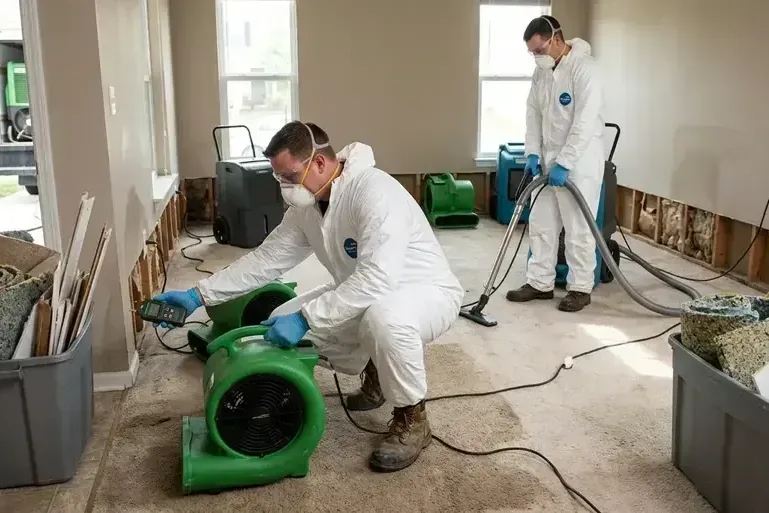
What to do when sewage comes back up
Do now
- 1Keep everyone out. Close off the room, and keep children, pets and anyone with health concerns away from the affected area.
- 2Stop using drains. Do not flush, run the dishwasher or do laundry, since more water adds to the backup.
- 3Do not touch it. Skip bare hands and household mops, because sewage carries bacteria.
- 4Call and document. Photograph the area from a safe distance and call before cleanup starts.
Hold off
- Do not use bleach on porous surfaces
- Skip household fans that spread contamination
- Do not handle soaked items with bare hands
How the restoration crew handles sewage backup cleanup
Heavy rain and flooding can add sewage to a wider loss, so the flood water cleanup work often overlaps with this service.
Around-the-clock response
The response team rolls out day and night, storm nights and holidays included, and treats active water as urgent.
IICRC S500 drying standard
The drying team pulls equipment only when meter readings say dry, not when a surface looks dry.
Claim-ready drying records
Moisture maps, daily psychrometric readings and timestamped photos go into one log for the adjuster and the owner.
Older South Shore construction
Fieldstone foundations, plaster walls, cast iron drains and finished basements are everyday work, so the crew checks below grade and behind the walls.
What does sewage backup cleanup cost in Weymouth, MA?
Sewage work costs more than clean water work because of protective gear, disposal and sanitizing. A small area on an unfinished floor sits lowest, a finished lower level climbs, and a large or repeat backup tops the range. The scope is written after the affected area is measured.
- Small area, unfinished floor$2,500 to $5,000
- Containment
- Extraction
- Sanitizing
- Finished lower level$5,000 to $10,000
- Carpet and drywall out
- Antimicrobial treatment
- HEPA air control
- Large or repeat backup$10,000 to $15,000+
- Wide demolition
- Contents disposal
- Extended drying
Price moves with the water category, the wet square footage, the material class and how quickly drying began. The water damage cost calculator gives a planning range.
The sewage backup cleanup process, step by step
- 1
Contain and protect
Plastic barriers and negative air keep contamination in one zone while the crew works in protective suits.
- 2
Remove and bag
Contaminated carpet, padding, drywall and contents are cut out and bagged for disposal.
- 3
Sanitize surfaces
Cleaners and antimicrobial treatments go onto framing and floors that stay in place.
- 4
Dry and verify
Dehumidifiers and air movers run behind clean barriers until readings confirm the area is dry.
Sewage backups usually announce themselves at the lowest drain in a building. A floor drain gurgling, a toilet that will not flush and water rising around a fixture are common first signs, and each one means contaminated water is on its way inside.
Why this is black water
Sewage carries bacteria, viruses and solids, so it is classified as Category 3 no matter how clear it looks. Cleanup is never a quick wipe down. Porous materials that touched it cannot be saved, and protective suits and respirators are part of the work. Skin contact and splashes are the main risk, so the crew uses gloves and boot covers as well.
Scope of the cleanup
- Containment barriers so contamination stays in one zone
- Removal of carpet, padding and drywall that absorbed the water
- Antimicrobial treatment of framing and floors before drying
Sewage inside a home also affects insurance and landlord notices, so the crew logs each step with photos. A backup into a finished lower level is covered under basement water damage as well.
Documentation and next steps
The restoration team records the affected area, the removed materials and the final readings, and photos of the cleared area before and after support the claim. About 35% of housing units were renter occupied in the 2010 census, and renters and owners alike benefit from that written trail when a landlord or adjuster asks.
Where sewage backup cleanup is handled around Weymouth
The restoration crew covers ZIP codes 02188, 02189, 02190 and 02191: Weston Park, Jackson Square and Whitman's Pond, Columbian Square and Union Point, Idlewell along the Fore River and the dense north end near Great Esker Park and George Lane Beach. Each walkthrough starts at the source of the water.
Browse the full coverage mapRelated water damage services in Weymouth
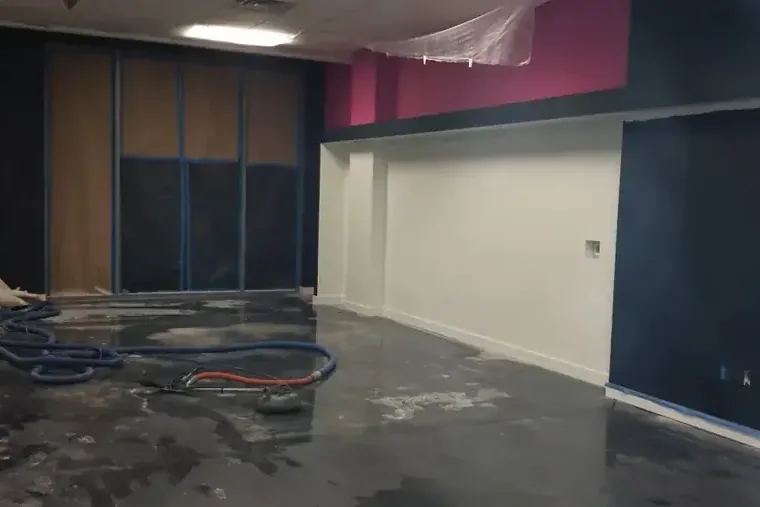 Flood Water Cleanup in WeymouthRising water near the Fore River, the Back River or a flooded street is handled as Category 3 from the start.See the service
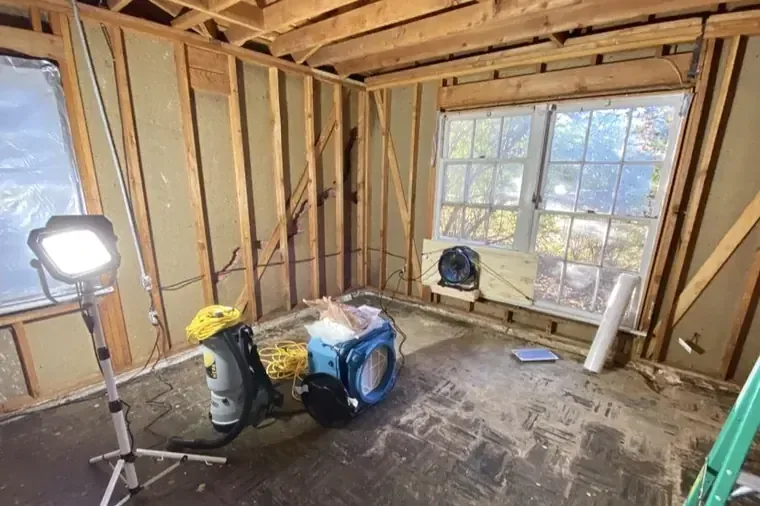 Basement Water Damage in WeymouthWater that reaches a lower level is pumped out, wet finishes come out and the slab and walls are dried.See the service
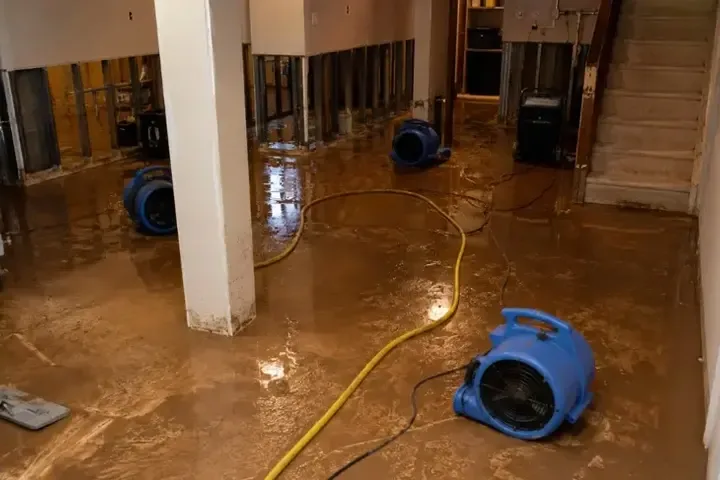 Sump Pump Failure Cleanup in WeymouthWhen a sump pump stalls in heavy rain or a power outage, the overflow is pumped out and the floor dried.See the service
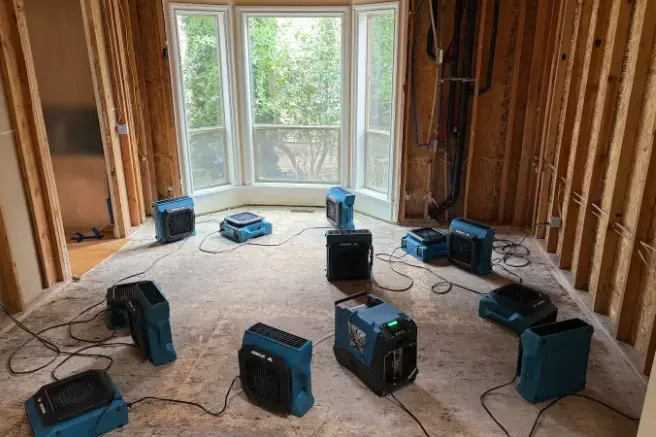 Structural Drying in WeymouthAir movers and LGR dehumidifiers run, with readings logged daily, until framing and subfloor meet the drying goal.See the service
Sewage Backup Cleanup in BraintreeFloor drain and sewer backups contained and removed as Category 3.See the service
Structural Drying in WeymouthAir movers and LGR dehumidifiers run, with readings logged daily, until framing and subfloor meet the drying goal.See the service
Sewage Backup Cleanup in BraintreeFloor drain and sewer backups contained and removed as Category 3.See the service
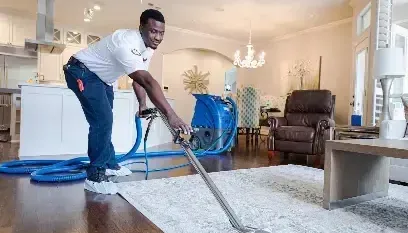 Water damage restoration in WeymouthEvery service below follows the same IICRC S500 drying standard; each card opens the page for that kind of water loss.Open the town page
Why is a sewage backup treated as black water?
Sewage carries bacteria and viruses, so it is Category 3 regardless of color or smell. That classification requires protective gear, removal of porous materials and antimicrobial treatment.
Can carpet be saved after a backup?
No. Carpet and padding that touched sewage are removed and discarded. Hard surfaces such as concrete may be cleaned and sanitized if they are properly dried afterward.
Is a floor drain backup different from a toilet overflow?
Both are sewage when the water comes from the sewer side. A toilet bowl overflow may be less contaminated, but any backup is handled as black water until the source is known.
Who pays for sewage cleanup?
That depends on the policy and the cause, so the claim file needs photos, readings and an itemized scope. The restoration team provides those records.
Is it safe to stay in the home?
Not in the affected area. Containment keeps contamination from spreading, and people with health concerns should stay clear until the area is sanitized and dry.
How long until the area is usable again?
Only after removal, sanitizing and drying readings are complete.
Sewage inside? Call now
The cleanup team contains, removes, sanitizes and dries in sequence. Call now, any hour, for the first assessment.
(888) 480-6221Weymouth backup help