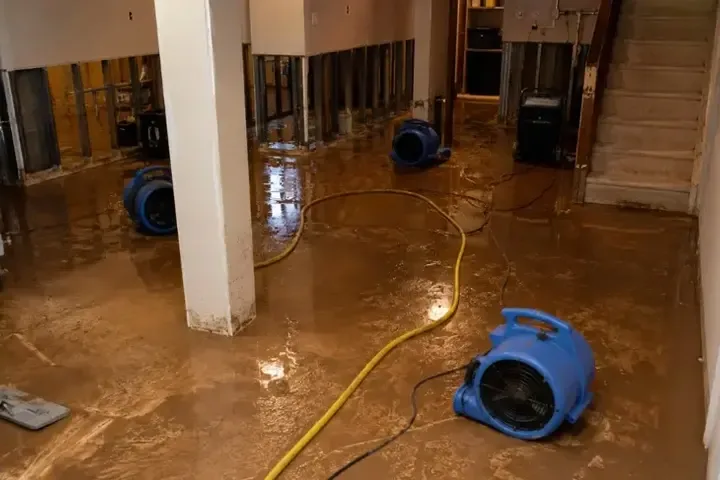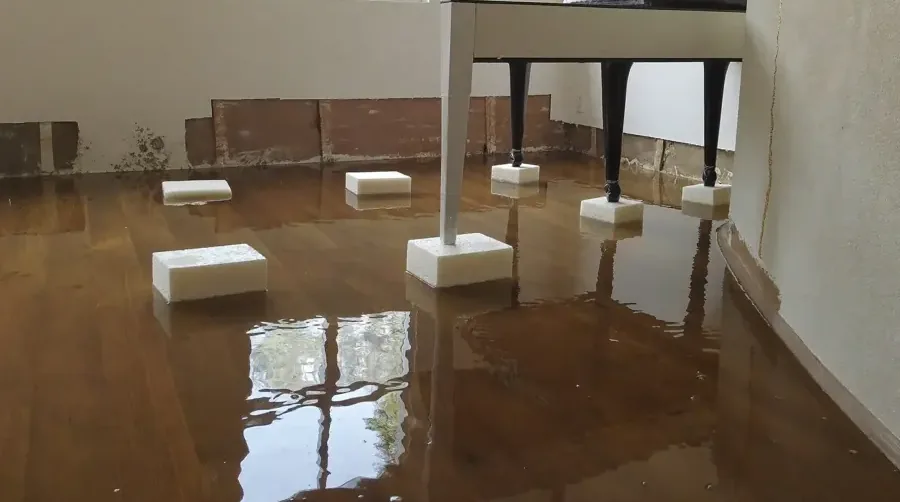
Heavy morning rain on July 10, 2025 caused flash flooding in Randolph and closed roads. Basements in the area flooded, and one resident showed an apartment with about a foot of water inside.
Key takeaways
- Heavy rain on July 10, 2025 flooded basements in the Randolph area, and one apartment held about a foot of water.
- Electricity stays off in a flooded basement until the water is out and the wiring has been checked.
- Water from outside is Category 3, so carpet, pad and low drywall are usually removed instead of dried.
- Pumping is often done in stages when the soil outside is soaked, and drying starts as soon as the standing water is gone.
- Tenants and owners follow the same safety steps, but a tenant also tells the landlord or property manager early.
What a foot of water means indoors
On the morning of July 10, 2025, heavy rain caused flash flooding in Randolph and closed roads. Basements in the area flooded, and one resident showed an apartment with about a foot of water inside.
A foot of water is far more than a spill. It covers every floor surface, rises into the bottom of walls and cabinets, and reaches outlets, appliances and anything stored at floor level.
The Cochato River and the Blue Hill River drain the town, and the area averages about 53.86 inches of precipitation a year, so wet seasons are part of life here.
Flooded roads slow everyone down on a morning like that, so the first steps often fall to the household. The safe steps that need no equipment come first below, and the pumping and drying follow once the water can be reached.
How heavy rain gets into a basement
A basement can take on water in several ways at once, and the route matters for the cleanup. Water from outside is not the same as water pushed up from a drain.
After a downpour, a household can look for the likeliest entry points before the crew arrives and tell them what was seen.
- Window wells: a full well spills over the sill and down the wall.
- Cracks and seams: wet soil pushes water through the foundation.
- Floor drains: an overloaded drain can send water back up.
- Doors and stairwells: water pours down from ground level.
- A failed sump pump: the pit overflows when the pump stops.
Electrical and fuel safety come first
A basement often holds the electrical panel, the furnace and the water heater, which is why a flooded one is more than a wet floor.
If water is touching outlets or the panel, the household stays out and calls an electrician or the utility. Gas or oil equipment that sat in water is checked before it is used again.
- Never wade into standing water near outlets or the panel.
- Leave power off until the water is out and the wiring has been checked.
- Do not run a furnace or water heater that sat in water.
- Keep children and pets upstairs.
How standing water is pumped out
Pumping in stages
When the ground outside is soaked, the water pressing on a foundation wall helps hold it in place. Some crews pump a flooded basement down in stages rather than all at once, so the pressure inside and outside stays closer to balance.
Portable pumps handle the first stretch, and extraction units remove the rest. Quick water extraction keeps water from wicking into walls and stored goods.
What sits in the water
Water from outside carries soil and drain overflow, so it is handled as Category 3. Anything porous that touched it is sorted into discard or clean.
Items that cannot be cleaned are photographed before they go, which helps later with an insurance list.
Sorting belongings: what comes out and what stays
Finished basements hold a lot of absorbent material, and each piece is judged on what it is made of and how long it sat wet.
A simple three pile system keeps the sorting calm: keep, clean and discard. Photos are taken first, so nothing disappears from the insurance list when it goes in the discard pile.
Stored boxes and paper goods that touched the water are almost always lost. Solid furniture, metal tools and sealed plastic bins often clean up.
- Carpet and pad: removed and discarded.
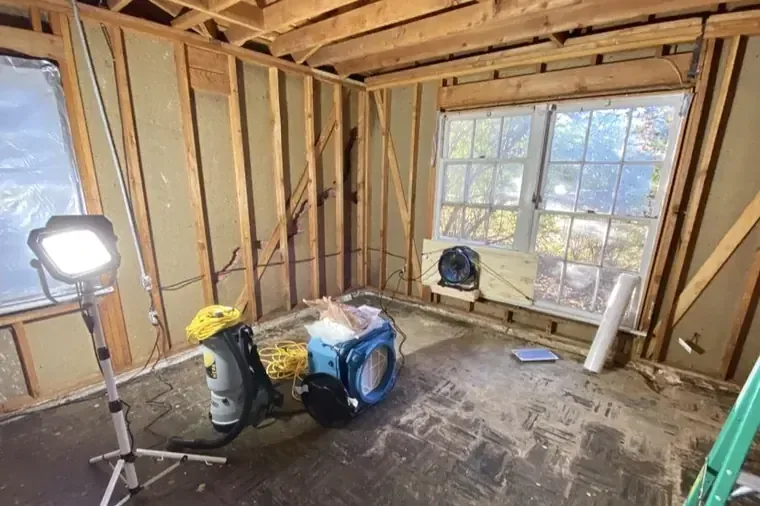
- Drywall and insulation: cut out above the wet mark.
- Concrete floors, metal, glass and solid wood: cleaned, treated and dried.
- Cardboard, paper and upholstered items: usually discarded.
- Ask first: photographs, documents and keepsakes, which a specialist may be able to save.
Apartment tenants and house owners
A tenant with a flooded apartment tells the landlord or property manager right away, takes photos and keeps receipts. Moving personal belongings out of the water is reasonable. Anything built into the unit is left for the restoration crew.
A house owner makes the same calls and also contacts the insurer. The policy wording decides what is covered, and storm water and sewer backup are often treated separately.
- Tenant: notify the landlord in writing, photograph belongings and keep receipts.
- Owner: contact the insurer and keep the pump and equipment records.
- Both: stay out of standing water and keep power off.
Drying the lower level and checking the pump
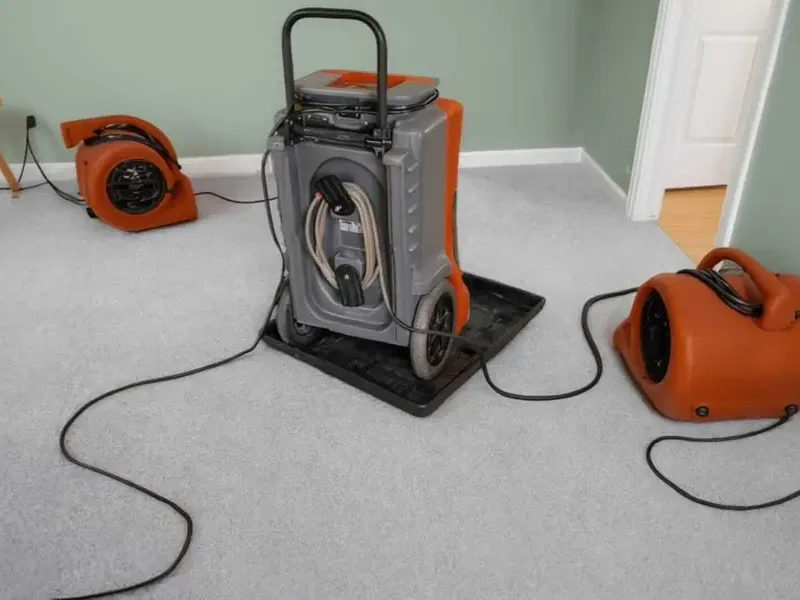
Once the water is gone, the slab, the walls and the framing still hold moisture. Dehumidifiers and air movers run until meters read dry, which is the work described under structural drying.
Drying usually takes days, not hours, because concrete and framing release moisture slowly. A basement can feel dry long before the meters agree, which is why the equipment stays until the readings do.
A sump pump that stalled in the storm gets checked before the next rain. The float, the discharge and the power supply are the usual weak points, and sump pump failure cleanup covers what happens when a pump quits.
For the wider picture of cleanup below grade, see basement water damage.