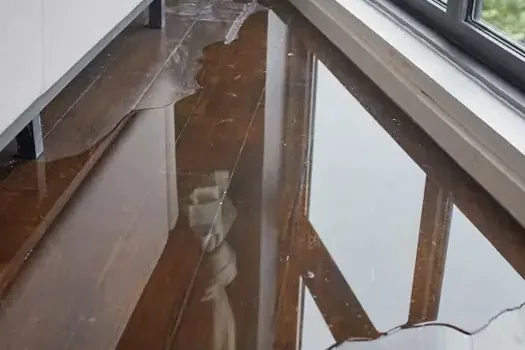
A nor'easter can sit over the coast for hours, dropping heavy rain and pushing storm water toward every low spot. On March 2, 2018, that was the story around Smith Beach, and it is a useful picture of how fast a street, a yard and then a floor can fill.
Key takeaways
- Nor'easters bring heavy snow and rain, and a normal season here adds up to about 48.63 inches of precipitation.
- During the March 2, 2018 storm, flooding reached the Smith Beach area and Edgehill Road near Vinedale Road was water-filled and hard to drive.
- Water that comes in from outside is treated as Category 3, so soaked porous materials are removed instead of dried in place.
- Power to the wet area comes off first, then standing water is pumped out before drying starts.
- Dated photos, a short written timeline and moisture readings taken before anything is thrown out support an insurance claim.
What the March 2018 nor'easter showed
Nor'easters bring heavy snow and rain, and a normal season adds up to about 48.63 inches of precipitation. Most storms pass without trouble. A few stall, and the water has nowhere to go.
On March 2, 2018, flooding reached the Smith Beach area. Edgehill Road near Vinedale Road was water-filled and hard to drive.
A road in that condition says something about the properties around it. Water follows the lowest ground, and the lowest ground is often a garage, a ground floor or a finished lower level.
Why storm water is treated as Category 3
Storm water crosses pavement, soil, yards and sometimes a drain or sewer cover before it reaches a door. The IICRC S500 standard puts water like that in Category 3, the most contaminated rating.
The label changes the plan. A wet floor from a clean supply pipe can often be dried in place, but storm water soaks into anything porous, and porous materials usually come out.
The restoration team explains the category at the start so the household understands why so much is removed.
- Carpet and pad: lifted and discarded, because pad cannot be cleaned.
- Drywall and insulation: cut out above the wet mark.
- Concrete, tile and sealed hard surfaces: cleaned, treated and dried.
- Upholstered furniture and mattresses: usually discarded.
Where nor'easter water gets in, and how to prepare
Storm water rarely arrives through one big opening. It finds the weak spots in a house, and wind-driven rain adds a second route from above.
A few habits cut the damage from the next storm. Gutters and downspouts are cleared, the sump pump is tested, and valuables are kept off the floor in a garage or lower level.
Some storms still win. When they do, storm water damage cleanup starts with the same steps: safety, extraction, removal and drying.
- Doors and garage thresholds: water banks up against them and pushes underneath.
- Window wells and low windows: a full well spills over the sill.
- Foundation cracks and seams: pressure from wet soil forces water through.
- Floor drains: an overloaded drain can push water back up into the room.
- Siding, window frames and roof edges: wind drives rain sideways into walls.
The first hours inside the house
Safety before cleanup
Storm water and electricity do not mix. If water has reached outlets, baseboard heaters or the panel, power to that area comes off from a dry spot, or the room is left alone until an electrician has checked it.
Boots and gloves are the minimum. Children and pets stay out of the wet area until it is cleaned.
- Stay out of standing water that may touch live wiring.
- Shut off power to wet rooms only from a dry location.
- Never run a household vacuum on standing water.
- Keep the household out of rooms where water reached floor outlets.
What to move and what to leave
Small dry valuables and papers go up to a high shelf. Photos of furniture and flooring are taken where they sit, before anything is moved.
A soaked sofa or a full dresser is better left for the crew, since dragging it spreads dirty water into dry rooms.

Extraction, removal and drying, in order
The extraction crew starts with standing water. Truck-mounted units and portable pumps remove it far faster than towels or a wet vac, and the longer it sits, the more of it wicks into walls and subfloors.
Fast water extraction is the step that decides how much has to be torn out.
Next comes removal of what cannot be saved, then cleaning and an antimicrobial treatment of the surfaces that stay.
Drying finishes the job. Air movers push dry air across surfaces, dehumidifiers pull moisture from the room, and meters show when framing and floors are back to normal readings. The details of that stage are in structural drying.
- Standing water pumped out.
- Contaminated materials removed and bagged.
- Surfaces cleaned and treated.
- Air movers and dehumidifiers run until readings match dry reference points.
When the roads are hard to drive
On a night when a road like Edgehill Road is water-filled, neither the household nor a crew may be able to get through right away. The goal then is to make the house safer while the water is still outside.
Dirty water that sits keeps soaking into framing and flooring, so delay can add to the list of materials removed. That is why the simple steps below matter.
- Shut off the main water valve if a pipe is also leaking.
- Turn off power to wet areas from a dry spot.
- Photograph the high-water mark on walls and furniture before it drops.
- Lift rugs and cushions only where the water is shallow and the area is safe.
Records for the insurance claim
Coverage for storm water depends on the policy, and flood damage is often treated differently from other water losses. The household can ask the insurer which parts apply before work starts, and the crew keeps readings and photos for the file.
A clear record makes that conversation easier. Flood water cleanup usually begins with a written scope, so the paper trail starts on day one.
- Dated photos of the high-water mark, floors and damaged items.
- A short written timeline of when water entered and what was shut off.
- Moisture readings and equipment logs from the drying crew.
- Receipts for emergency purchases such as pumps, fans or storage.